
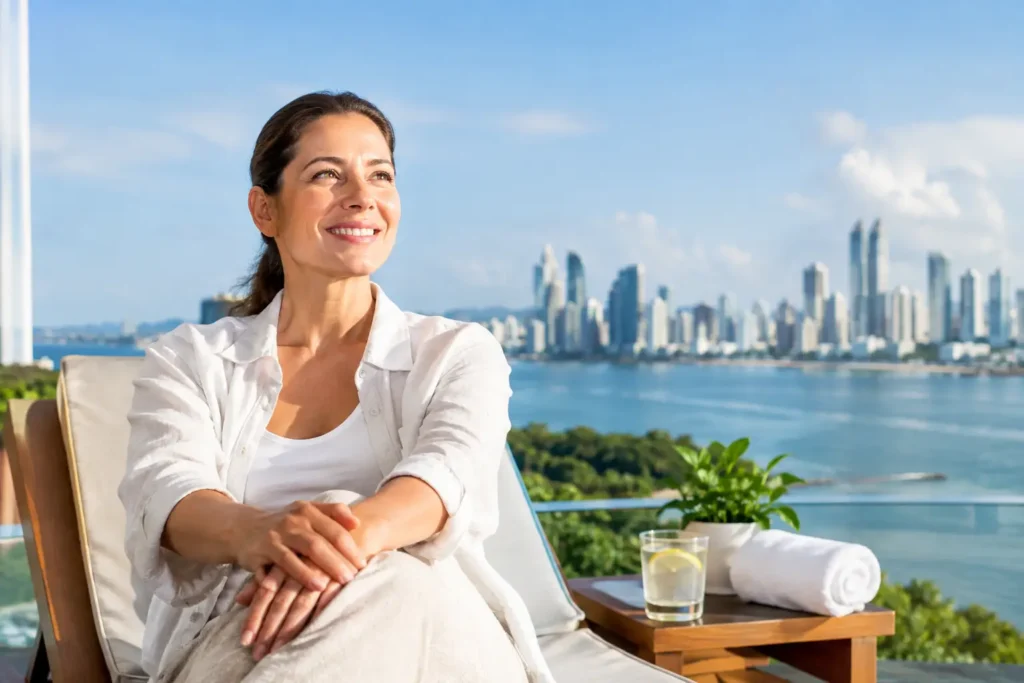
A procedure may take a few hours. Recovering well can take days, weeks, and a setting that does not ask too much of you. A medical tourism recovery retreat Panama visitors choose should be more than a pleasant hotel after an appointment. It should give you a safe, comfortable place to rest, a realistic plan for follow-up care, and the right amount of local support while your body heals.
Panama can be an appealing option for Americans combining dental work, elective procedures, diagnostics, or other planned care with time away from home. The country offers modern private healthcare options, an international airport with convenient connections, and everything from city-based comfort to quieter mountain and coastal settings. Still, the best recovery experience is built around medical instructions and thoughtful logistics, not a vacation itinerary.
Start With the Medical Plan, Not the Destination
The clinic, surgeon, or treating provider should be the starting point for every decision. Before booking flights or accommodations, ask what level of mobility you can expect, how soon you can safely fly, whether you will need a companion, and what follow-up appointments are required. If a provider gives instructions that conflict with a retreat schedule, the medical instruction wins every time.
Request a written care plan in English whenever possible. It should identify your procedure, medications, wound-care or dietary directions, expected symptoms, warning signs, and an after-hours contact. Keep digital and printed copies with you. If you take regular medications, confirm whether they are available locally and bring an adequate supply in their original labeled containers.
A smart plan also includes a contingency. Ask where you would go if you developed a concern after clinic hours, how your provider handles complications, and whether your travel insurance or medical coverage applies to planned treatment abroad. Panama has respected private hospitals and clinics, particularly in Panama City, but coverage and payment policies vary. Do not assume a credit card, domestic health plan, or travel policy will handle every situation.
What a Medical Tourism Recovery Retreat in Panama Should Provide
Recovery needs are personal. Someone recovering from extensive dental work may want a calm room, soft-food options, and reliable transportation. A person recovering from a more involved procedure may need a ground-floor suite, help carrying bags, a caregiver, or accommodation close to the treating facility. The right retreat begins with those needs rather than a one-size-fits-all package.
Comfort matters, but practical details matter more. Look for a clean, private, air-conditioned place with a supportive bed, easy bathroom access, dependable Wi-Fi, and a quiet environment where sleep comes easily. Confirm whether there are stairs, uneven walkways, elevators, nearby construction, or a long distance between the room and transportation. A beautiful hillside view may be less appealing when you have been told to limit walking.
Transportation should be arranged around your recovery level. You may be perfectly comfortable taking a private ride to and from appointments, or you may need a companion to wait with you, help communicate, and make sure you return safely. Avoid putting yourself in the position of figuring out a new transit system when you are sore, tired, or taking medication.
For travelers who want guidance beyond the clinical visit, Go Explore Panama can help shape a recovery retreat around the practical realities of being in Panama, including local coordination and a setting suited to rest. The goal is not to replace your medical team. It is to make the non-medical pieces less stressful.
Choose the Right Recovery Setting
Panama City is usually the practical choice for travelers who need frequent follow-ups or want to stay close to major private hospitals, pharmacies, grocery stores, and restaurants. It is energetic, urban, and convenient. For many patients, that convenience is worth more than a resort atmosphere during the first days after treatment.
A beach or mountain escape can make sense once your provider clears you for more movement and travel. Panama’s cooler highland areas may feel especially restful for visitors who prefer mild weather, while coastal locations offer a slower pace and warm ocean air. The trade-off is distance. A remote setting can be peaceful, but it can also make follow-up appointments, pharmacy runs, and urgent care less convenient.
Think honestly about what recovery feels like, not what you hope it will look like in photos. You may be ready for a gentle view, short walks, and a good meal. You may also need curtains closed, water nearby, and a full day of uninterrupted sleep. Build room into the schedule for either outcome.
Plan for Food, Hydration, and Everyday Help
Food is often an overlooked part of medical travel. Your provider may recommend soft foods, reduced sodium, extra protein, or temporary restrictions on alcohol and certain supplements. Ask in advance what is appropriate and whether you should avoid foods or drinks that could interfere with medications.
A recovery-friendly stay should make meals simple. Arrange groceries before you arrive if possible, identify nearby options that meet your dietary needs, and make sure safe drinking water is readily available. If nausea, fatigue, or limited mobility is likely, do not rely on a plan that requires you to walk several blocks for every meal.
It is also wise to decide who will handle small but necessary tasks: picking up prescriptions, communicating with a driver, carrying luggage, or contacting your care team if you are too tired to explain what is happening. Some travelers bring a spouse, adult child, or friend. Others prefer local support. Either can work, as long as responsibilities are clear before the procedure.
Give Yourself More Time Than You Think You Need
The most common planning mistake is treating recovery as a narrow gap between a procedure and a return flight. Even when a treatment is routine, travel fatigue, unfamiliar surroundings, swelling, medication effects, and delayed appointments can change the pace of your stay.
Build a buffer on both sides. Arriving a day or two before a planned procedure can reduce stress and give you time to settle in. Staying longer afterward can allow for follow-up, rest, and a safer return journey if your provider agrees. Your timeline depends on the procedure, your health history, and your doctor’s advice, so avoid copying another traveler’s schedule.
Keep the first few days deliberately light. If you feel better sooner than expected, you can enjoy a peaceful meal, a scenic drive, or a quiet outdoor space. If you do not, you will be grateful that nothing important is waiting on the calendar.
Questions to Answer Before You Book
Before committing to treatment and travel, make sure you can answer these practical questions clearly:
- What follow-up care is included, and where will it take place?
- When has the provider cleared me to fly, swim, exercise, or take longer drives?
- Who can contact the clinic after hours if I have a concern?
- What medications, records, and payment arrangements should I bring?
- Is my lodging appropriate for my mobility, dietary needs, and recovery instructions?
- What is the plan if I need urgent medical attention or a longer stay?
These questions are not signs of pessimism. They are how you protect the experience you came to Panama to have. Medical tourism is most rewarding when travelers feel prepared enough to rest instead of trying to solve problems from a hotel room.
Let Recovery Set the Pace
Panama has a way of inviting people to slow down, whether that means watching the rain move across the city skyline, enjoying a quiet breakfast, or resting in a cooler mountain setting. During recovery, that slower pace can be a real advantage, provided it supports the care plan rather than competing with it.
Leave the sightseeing for when you feel genuinely ready. Give yourself permission to keep the day small, accept help, and change plans. A well-planned recovery retreat is not measured by how much of Panama you see. It is measured by how confidently and comfortably you return home, with your health given the time and attention it deserves.