
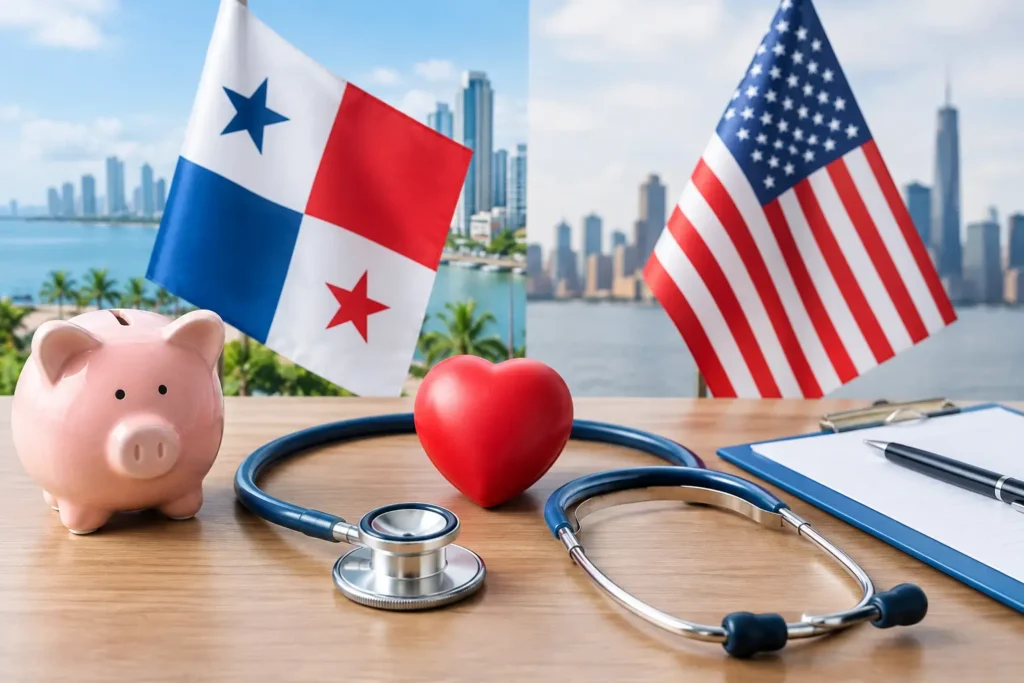
For many Americans considering a move, Panama healthcare costs versus America are not a minor budgeting detail. They can shape whether retirement feels financially free or still tied to a high monthly burn rate. A specialist visit that might come with a large deductible or a confusing bill back home can often be scheduled directly and paid for at a price that feels refreshingly straightforward in Panama.
That does not mean healthcare is free, identical, or automatically simple. Panama has excellent private hospitals and skilled physicians, especially in Panama City, but your experience depends on where you live, what coverage you choose, your health needs, and how comfortable you are navigating a different system. The real advantage is choice: many residents can combine affordable out-of-pocket care with private insurance instead of relying on one expensive path.
Panama Healthcare Costs Versus America at a Glance
The United States has extraordinary medical expertise and advanced specialty care, but it also has some of the highest healthcare costs in the world. For Americans without employer-sponsored coverage, monthly premiums, deductibles, copays, coinsurance, and surprise billing can turn ordinary care into a financial event.
Panama’s private healthcare system is generally far more affordable for routine care. A private primary-care appointment may commonly run about $20 to $50, while a specialist consultation often falls in the $50 to $100 range. Costs vary by doctor, hospital, city, and specialty, but many patients can see a physician quickly without needing a referral or waiting months for an appointment.
In the United States, an uninsured specialist visit can easily cost several hundred dollars. Even insured patients may pay a meaningful copay and still face a deductible before their plan contributes much. That difference is why Panama appeals to retirees, self-employed professionals, and early retirees who are paying for coverage themselves.
The comparison becomes more complicated when major procedures are involved. Panama can offer significant savings on imaging, surgery, dental work, and elective care, but the best decision is never based on price alone. Your diagnosis, provider credentials, hospital standards, follow-up needs, and insurance coverage all matter.
What Everyday Care Can Cost in Panama
Most expats use Panama’s private system for routine needs because it is accessible, modern, and reasonably priced. In Panama City, facilities such as large private hospitals can offer English-speaking doctors, advanced diagnostics, and a care environment familiar to many North Americans. Smaller cities and beach communities may have capable clinics and hospitals, though the range of specialists is usually narrower.
For everyday care, people are often surprised by the value of paying cash. A basic doctor visit, lab work, an X-ray, or a prescription may cost less than the deductible they would have faced for the same service in the United States. It is common for patients to pay at the time of service, receive clear pricing, and submit paperwork to an insurer later if they have private coverage.
Prescription medications are another area where costs can be lower, particularly for common maintenance medications. Pharmacies are plentiful, and many medications that require a prescription in the United States may be easier to access in Panama. Still, do not assume every brand, dosage, or specialty drug will be available at the same price. If you manage a chronic condition, research the exact medication before moving and bring a sufficient initial supply with proper documentation.
Dental and vision care also tend to be substantially more affordable. Cleanings, fillings, crowns, implants, eye exams, and glasses can cost a fraction of comparable private-pay prices in the United States. That is one reason some visitors build medical and dental appointments into an extended stay, rather than viewing care as an afterthought.
Insurance: Lower Premiums, Different Decisions
Private health insurance in Panama is available through local and international providers. The right choice depends on your age, medical history, desired hospital network, deductible tolerance, and whether you want coverage only in Panama or protection when traveling abroad.
Local plans can be comparatively affordable, but they may come with age limits for new applicants, exclusions for pre-existing conditions, waiting periods, copays, or restrictions on where you can receive treatment. International plans often provide broader geographic coverage and may better suit frequent travelers, but premiums can be much higher.
For some healthy residents, a practical strategy is to self-pay for routine care and carry insurance for hospitalization or serious illness. That approach can work because everyday medical costs are manageable. It is not the right choice for everyone, especially people with complex medical needs, expensive medications, or a history of hospitalization.
Americans moving before Medicare eligibility should plan especially carefully. You may find that Panama’s costs make private care more attainable than a U.S. marketplace policy, but do not cancel U.S. coverage until you understand your residency status, travel habits, and insurance options. Medicare generally does not pay for routine medical care outside the United States, so it should not be treated as your Panama health plan.
The Public System Is Part of the Picture, Not Always the Plan
Panama has public healthcare options through the Ministry of Health system and the Social Security system, known as CSS. These services can be very low cost and are an important resource for Panamanians and eligible residents. However, wait times, facility conditions, medication availability, and access to specialists can vary widely.
Many foreign residents choose private care for convenience, shorter waits, and a greater likelihood of English-speaking providers. That choice is especially common among retirees who want predictable access to doctors and hospitals. Public healthcare may still be useful in certain situations, but it is wise to understand eligibility and local realities rather than building your relocation budget around assumptions.
Where You Live Changes the Healthcare Equation
Panama City provides the deepest bench of specialists, private hospitals, advanced imaging, and bilingual medical professionals. For someone with a heart condition, cancer history, complicated orthopedic needs, or frequent specialist appointments, being within easy reach of the capital may bring valuable peace of mind.
Communities such as Coronado, Boquete, and David have established expat populations and local medical options. They can be excellent places to live, but they are not interchangeable with Panama City. A routine appointment may be easy nearby, while a complex procedure could require travel to the capital. Think about transportation, rainy-season driving, and who could assist you during a medical event, not only the view from your future terrace.
This is where an exploratory trip can be more useful than hours of online research. Visit a clinic, drive the route to the nearest hospital, and ask local residents how they handle prescriptions and emergencies. Go Explore Panama helps prospective residents look at these practical details while they are evaluating communities, because the right neighborhood is about daily confidence as much as lifestyle.
The Trade-Offs Americans Should Not Ignore
Lower costs do not remove the need for planning. Medical records may need to be translated or summarized. Not every provider speaks fluent English, and billing systems may feel less standardized than those in the United States. You may also need to advocate for yourself when requesting records, arranging follow-up, or coordinating care between Panama and U.S. specialists.
For highly complex care, some expats prefer to return to the United States, depending on their insurance, family support, and trusted physician relationships. Others use Panama for primary and routine specialty care while maintaining a medical connection in the States. There is no one-size-fits-all answer, and that is worth acknowledging before you move.
It is also smart to maintain an emergency fund. Even when care is affordable, an unexpected hospital admission, evacuation, or uncovered procedure can create a large expense. Ask insurers whether direct billing is available at your preferred hospital and what preauthorization is required for surgery or major diagnostics.
Build Healthcare Into Your Panama Budget
A realistic Panama budget should include more than a monthly insurance premium. Set aside money for appointments, medications, dental care, travel to specialists, and annual checkups. Then compare that total with what you currently spend on premiums, deductibles, prescriptions, and out-of-pocket visits in America.
For many people, the savings are real and meaningful. More importantly, the ability to see a doctor without delaying care over cost can improve the quality of day-to-day life. Before choosing a city or signing a lease, make healthcare one of the places you explore in person. A peaceful life in Panama feels even more secure when you know exactly where you would go if you needed care tomorrow.