
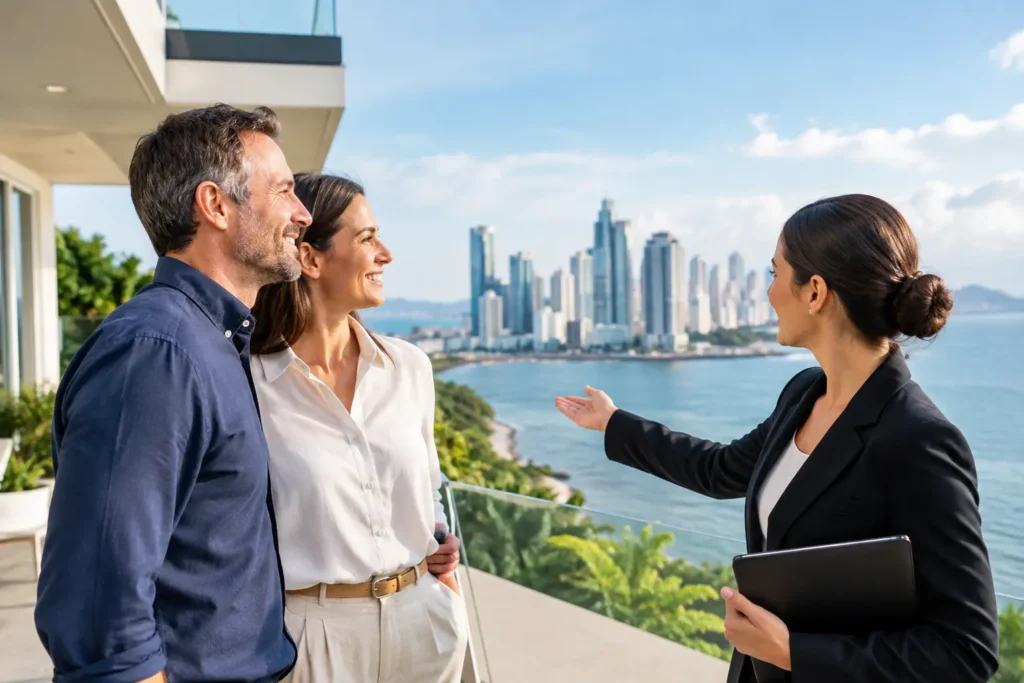
A condo with an ocean view in Panama City, a mountain home in Boquete, or a beach place near Coronado can make a powerful first impression. But buying Panama real estate as an American is not a purchase to make from a listing photo, a quick vacation, or a promise that something is “a great deal.” The right property can support the life you came here to create. The wrong one can turn a dream of peaceful living into an expensive lesson.
Americans can legally own real estate in Panama, and many do. The opportunity is real, but so is the need for careful local guidance. Panama has its own ownership structures, closing practices, property taxes, neighborhood realities, and legal details. Taking time to understand them is not a sign that you are hesitant. It is how you buy with confidence.
Can Americans Buy Property in Panama?
Yes. Foreigners generally have the same property ownership rights as Panamanian citizens, including the right to hold titled real estate in their own name or through a Panamanian corporation. You do not need Panamanian residency to buy property.
That said, ownership is not identical in every situation. Panama has restrictions near international borders, where foreigners may not directly own property within a designated border zone. Coastal and island properties also require extra attention because some land is titled, while other parcels may involve concession rights or government-administered coastal land. These arrangements can be legitimate, but they are not the same as fee-simple titled ownership.
For most Americans, the safest starting point is a property with a clear, properly registered title. Your independent Panamanian real estate attorney should verify that title, confirm who has authority to sell, review liens and encumbrances, and make sure the property description matches what you are actually buying. A beautiful home is not enough. You want clean paperwork behind it.
Buying Panama Real Estate as an American Starts With Lifestyle
The biggest mistake we see is beginning with square footage instead of daily life. Panama is a small country geographically, but the experience of living in Panama City is very different from living in the highlands, on the Pacific coast, or in an interior town.
Panama City appeals to buyers who want modern hospitals, restaurants, shopping, business access, and a more urban rhythm. Areas such as San Francisco, Costa del Este, Clayton, and Avenida Balboa can offer very different versions of city living, with equally different traffic patterns and price points.
Boquete draws people looking for cooler weather, greenery, mountain views, and an established expat community. It can be a wonderful fit for retirees and remote workers, but a home that feels secluded and serene may also mean longer drives for appointments, major shopping, or airport access.
Coronado and nearby beach communities are popular with buyers who picture mornings by the water and easy weekends with visiting family. The trade-off can be heat, humidity, seasonal rain, homeowners association fees, and the need to maintain a property in a salt-air environment. Other areas, including El Valle, Pedasí, Las Tablas, and Bocas del Toro, each have their own pace, infrastructure, weather, and buyer profile.
Before you buy, spend time in the area during normal days, not only on a sunny holiday weekend. Drive to the grocery store. Notice the roads after rain. Visit at different times of day. Ask about water pressure, internet reliability, power outages, noise, security, and flood history. A private relocation tour can be especially useful because it lets you compare communities through the lens of real daily living, not just vacation appeal.
Titled Property, Rights of Possession, and Concessions
Panama property conversations often include terms unfamiliar to US buyers. Knowing the distinction can protect you from a costly misunderstanding.
Titled property is registered in Panama’s Public Registry and is generally the clearest form of ownership. This is what many foreign buyers prefer, especially for a primary home, a retirement property, or an investment they may sell later.
Rights of possession refers to someone occupying or using land without a registered title. In some areas, especially rural or remote locations, possession rights are common. They can carry risk because the legal claim, boundaries, history of use, and path to obtaining title may be uncertain. A low price may reflect that uncertainty.
Concession property is often found near beaches, islands, and other protected coastal areas. The government grants rights to use the land for a defined term, subject to specific conditions. Do not assume a concession offers the same permanence, financing options, or resale simplicity as a titled lot.
There are situations where possession rights or concessions may make sense, but they should never be treated as a bargain version of titled ownership. They are a different legal category. Get advice from an attorney who represents you, not just the seller or developer.
Build a Team That Works for You
A Panama purchase should involve more than a friendly agent and a handshake. Your core team should include an independent Panamanian real estate attorney, a reputable real estate professional, and, when appropriate, an accountant who understands both Panamanian and US tax considerations.
Your attorney’s role is central. They should conduct due diligence, review the purchase agreement, check the Public Registry, verify municipal tax status, examine permits where relevant, coordinate escrow, and oversee the transfer process. Ask directly how they are paid and whether they have any relationship with the seller, developer, or agent.
If you are buying a condo, ask for more than the monthly HOA fee. Review the building rules, financial health of the association, planned special assessments, rental restrictions, maintenance history, elevator condition, backup power, water reserves, parking assignment, and the number of units being used as short-term rentals. A lower-priced unit in a poorly managed building can cost more over time than a better-run property with a higher purchase price.
Understand the Real Cost of the Purchase
The asking price is only one part of the decision. Closing costs in Panama commonly include legal fees, notary and registration expenses, and transfer-related taxes. In many transactions, certain taxes are traditionally paid by the seller, but the contract should clearly state who is responsible for each cost. Never rely on assumptions.
You may also face appraisal costs, inspection expenses, corporation setup or maintenance fees if you choose that ownership structure, insurance, HOA fees, and furnishing costs. Imported furniture and appliances can add up quickly, while local options may require more flexibility around selection and delivery timing.
Financing deserves an early conversation. Some Panamanian banks lend to foreigners, but requirements, down payments, rates, and underwriting standards can be less familiar than those in the US. Many foreign buyers purchase with cash, use financing from their home country, or buy after selling another property. Do not make an offer assuming financing will work out later.
Also consider the ongoing cost of ownership. Panama can offer excellent value, but taxes, condo fees, gardening, pool care, security, air conditioning, and repairs vary widely. A home that looks inexpensive on paper may have high monthly carrying costs.
Do Not Skip the Inspection
Tropical conditions ask more of a property. Humidity, heavy rain, heat, termites, salt air, drainage issues, and fast-growing vegetation can all affect maintenance. Even newer homes deserve a professional inspection.
Have the inspector look closely at the roof, electrical system, plumbing, drainage, windows, air conditioning, water storage, septic systems if applicable, and signs of mold or water intrusion. In coastal areas, check corrosion. In mountain areas, ask about slope stability, access roads, and moisture. If the property has a pool, well, solar system, generator, or retaining wall, inspect those items too.
This is also the time to confirm practical details that do not show up on a listing: Is the internet actually fast enough for your work? Is the road accessible year-round? Does the home have reliable water during the dry season? Are there construction plans next door that could change your view or noise level?
Buy When Panama Feels Like Home, Not Just an Escape
A property can be a smart part of your Panama plan, but buying should follow understanding, not replace it. Renting first is often the wisest move for people who are still comparing regions, learning how they want to spend their time, or working through residency and financial decisions. Renting does not mean you have missed your chance. It gives you room to make a better one.
At Go Explore Panama, we encourage future residents to experience neighborhoods, ask candid questions, and picture ordinary Tuesday mornings as clearly as beach sunsets. The goal is not simply to find a property. It is to find the setting where your next chapter feels practical, comfortable, and genuinely yours.
Panama rewards buyers who stay curious, get independent advice, and let the country reveal itself before they commit. Give yourself that time. The home you choose should make life feel lighter long after the closing documents are signed.