
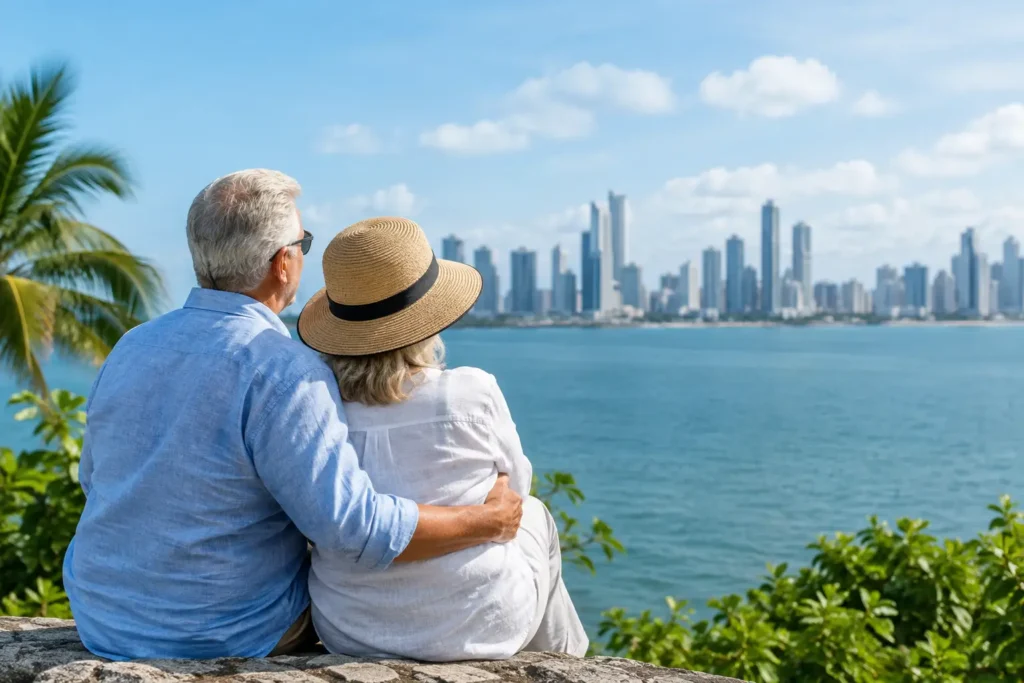
A slower morning, warm weather year-round, and the ability to use U.S. dollars make Panama feel immediately familiar to many visitors. But can Americans retire in Panama and build a life that is comfortable, legal, and genuinely enjoyable? Yes, many do. The better question is whether the country, the budget, and the day-to-day realities fit the retirement you want.
Panama can offer an appealing mix of modern city services, mountain towns, beach communities, private healthcare, and established English-speaking expat circles. It is not a one-size-fits-all retirement destination, though. A successful move comes from looking beyond the postcard and spending time in the places where you might actually live.
Can Americans Retire in Panama Legally?
Americans can visit Panama and pursue legal residency, but retirement abroad is not as simple as arriving with a suitcase and signing a lease. You need a residency path that fits your situation, current immigration rules, and the documents to support your application.
The Pensionado program has long been a well-known option for retirees who receive a qualifying lifetime pension, including Social Security in many cases. It has traditionally required proof of a lifetime monthly income at or above the government-set threshold. Other residency paths may be available for people who do not qualify through pension income, including options connected to investment, employment, family, or other qualifying circumstances.
Requirements, fees, document standards, and processing practices can change. A document that seems simple at home, such as a birth certificate, marriage certificate, police record, or pension letter, may need authentication, translation, and careful timing. It is wise to discuss your specific circumstances with a qualified Panama immigration professional before making irreversible plans.
Tourist status is not the same as residency. It may give you time to explore, but it does not automatically grant the right to settle permanently, work locally, or access every service as a resident. Treat an exploratory visit as research, not a shortcut around immigration planning.
What Does Retirement in Panama Cost?
Panama can cost less than many parts of the United States, but the savings are not automatic. Your lifestyle, location, housing expectations, health needs, and willingness to use local services shape the real number far more than a national average does.
A couple living simply in a smaller inland town may spend far less than they did in a high-cost U.S. city. A couple renting a luxury condo in Panama City, using private drivers, dining out often, and traveling regularly may find that their budget looks much closer to home. Imported foods, new cars, premium waterfront rentals, and heavily expat-oriented businesses can all carry prices that surprise newcomers.
Housing is usually the biggest variable. Panama City offers high-rise living, walkability in certain neighborhoods, hospitals, restaurants, and cultural activity. Beach areas can bring relaxed views and a vacation-like rhythm, although humidity, seasonal crowds, and distance from specialized care may be trade-offs. Mountain communities offer cooler temperatures and a quieter pace, but some residents find they miss easy access to major shopping, services, or airport connections.
Before moving, build a budget in two columns: your predictable monthly costs and your less frequent expenses. Include rent or property costs, utilities, groceries, private insurance, medications, transportation, immigration renewals, flights back to the United States, home maintenance, and a healthy emergency reserve. The move itself also has costs, from document preparation to temporary lodging and shipping decisions.
Healthcare Is a Major Part of the Decision
For many Americans, healthcare is one of Panama’s strongest draws. Private hospitals and clinics in Panama City provide access to a wide range of specialists, diagnostic services, and procedures, often at prices that can be lower than comparable self-pay care in the United States. Outside the capital, quality care is still available, but specialized treatment and English-speaking providers may be less convenient.
Medicare generally does not pay for routine care outside the United States. That does not mean you must give it up, but it does mean you need a separate plan for your life in Panama. Some retirees use local private insurance, international coverage, a medical savings strategy, or a combination based on age and preexisting conditions.
Do not choose a town based only on scenery if you have ongoing health concerns. Visit hospitals, ask about your prescriptions, understand how appointments work, and consider the travel time to the level of care you may need. Peace of mind often comes from knowing your healthcare plan before a medical issue makes the decision urgent.
Taxes, Banking, and Keeping U.S. Ties
Panama generally taxes income earned within Panama rather than worldwide income, which is one reason the country attracts international residents. That is not a blanket promise of a low-tax retirement. Your personal tax position can depend on the source and structure of your income, residency status, property, investments, and other details.
Americans remain subject to U.S. tax filing obligations while living abroad. Foreign account reporting rules may also apply. A tax professional who understands both U.S. obligations and Panama’s rules can help you avoid costly assumptions before you move money, sell a home, or establish residency.
Banking can also require patience. Panama banks follow compliance procedures and may request detailed information about the source of your funds, income, and residency. Bring organized records and expect the process to feel more formal than opening an account online in the United States.
The use of the U.S. dollar makes daily spending easier for Americans, and Panama’s currency system removes one common retirement concern: worrying about exchange-rate shifts on every grocery run. Still, financial comfort depends on planning, not just currency familiarity.
The Lifestyle Fit Matters as Much as the Visa
Panama has more than one version of retirement. You may picture a cool mountain morning in Boquete, an active urban routine in Panama City, a beach walk near Coronado, or a smaller community where neighbors know one another. Each option offers a different balance of climate, convenience, cost, privacy, and community.
Language is another consideration. You can find English in many expat-heavy areas and in parts of the tourism and healthcare sectors, but Spanish makes everyday life easier. It opens conversations with neighbors, helps with appointments and errands, and turns a place you visit into a place where you belong. You do not need to become fluent before arrival, but a willingness to learn will improve the experience.
Adjustment takes time. Power outages, different service expectations, traffic, rainy-season weather, bureaucracy, and cultural differences can frustrate even people who love Panama. At the same time, many retirees find that the slower pace, friendly social life, and access to nature give them room to breathe in ways they had not expected.
Visit Like a Future Resident, Not a Tourist
The best way to answer whether Panama is right for you is to see it with practical eyes. Stay long enough to experience an ordinary weekday. Shop for groceries, test internet service, take a drive in heavy rain, visit a clinic, and notice how you feel after the novelty wears off.
Instead of trying to see every attraction, compare a few locations that match your priorities. A couple who wants nightlife and specialist care should assess different neighborhoods than someone seeking quiet, gardening space, and cool air. There is no single best place to retire in Panama, only the place that best supports your version of a good life.
A structured scouting trip can shorten the learning curve because it lets you ask direct questions about neighborhoods, costs, residency, and healthcare while you are standing in the country itself. Go Explore Panama was built around that kind of firsthand evaluation, helping prospective residents look beyond the sales pitch and understand the practical details.
Panama may be the place where your retirement becomes less about getting away and more about choosing what you want your days to feel like. Give yourself permission to explore carefully, ask honest questions, and let firsthand experience guide the next step.