
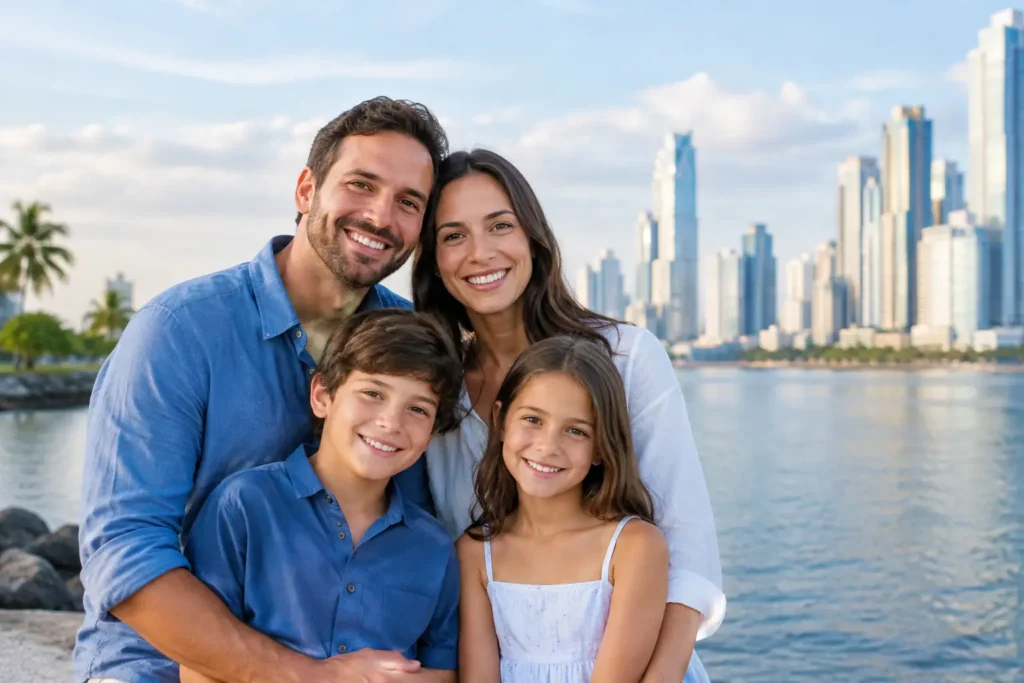
A family move is rarely decided by a beautiful beach photo or a lower grocery bill. The real question is whether ordinary Tuesday life will work: getting children to school, seeing a doctor when someone is sick, finding a neighborhood that feels comfortable, and building friendships beyond the first exciting months. That is how families settle in Panama successfully – by treating the move as a lifestyle decision, not a vacation with paperwork.
Panama can offer warmth, natural beauty, modern conveniences, and a pace of life that many American families find refreshing. But the country is not one experience. Panama City, the mountain communities, beach towns, and smaller interior cities each create a very different version of daily life. Taking time to understand those differences can turn a hopeful plan into a confident one.
How Families Settle in Panama Starts With the Right Location
Many newcomers begin with Panama City because it has the broadest selection of international schools, private hospitals, shopping, restaurants, professional services, and housing styles. For a family that wants an urban setting and easy access to specialists or frequent flights back to the United States, areas such as Costa del Este, San Francisco, Clayton, and Panama Pacifico may be worth evaluating. Traffic, humidity, and city pricing are the trade-offs.
Families who want cooler weather often look toward the Chiriqui highlands, including Boquete, Volcan, and nearby communities. These areas can feel more relaxed and may offer more space for the budget, but they do not provide the same depth of school choices, medical specialists, or big-city amenities. Beach areas can be beautiful and peaceful, yet a long drive for school, shopping, or health care can feel very different once it becomes part of a weekly routine.
The best location depends on your family’s non-negotiables. A remote-working couple with preschoolers may prioritize outdoor space and community. A family with teenagers may place school options, sports, and social opportunities first. Someone managing a chronic medical condition may need to stay within practical reach of Panama City’s major hospitals.
Before signing a long lease or buying property, spend time in your likely neighborhoods at different hours. Notice the grocery stores, sidewalks, commute patterns, noise, flooding after rain, and the distance to places you will use repeatedly. A structured scouting trip can reveal more in a few days than months of online research.
School Choices Shape the Entire Move
For families with school-age children, education often determines where they live and how they structure their budget. Panama has private bilingual schools, international schools, faith-based schools, local private schools, and public schools. Quality, language of instruction, curriculum, admissions standards, and tuition vary widely.
An international or bilingual school may offer a smoother transition for children coming from the United States, particularly if they are entering middle or high school. Some schools follow American, British, International Baccalaureate, or mixed curricula. They can also offer a ready-made parent community, which matters more than many families expect during the first year.
Local schools may provide a deeper Spanish-language and cultural experience, potentially at a lower cost. That route can be a wonderful fit for younger children or families committed to full immersion. It may also require more patience with communication, school systems, and a different approach to homework, parent involvement, and scheduling.
Start school research early. Ask about availability by grade, enrollment timing, transportation, uniforms, English-language support, extracurricular programs, and how the school handles children arriving midyear. If possible, visit in person and meet administrators. A school can look excellent online while its travel time or campus atmosphere tells a different story in person.
Make Residency and Paperwork a Family Project
A move to Panama involves more than finding a place to live. Your legal status affects banking, leases, insurance, work arrangements, school enrollment, and long-term peace of mind. Visa and residency pathways depend on nationality, income source, investment, family status, and current regulations.
Rules can change, so families should avoid building their plan around old social-media advice or a friend’s experience from several years ago. Work with qualified legal and immigration professionals who can explain which option fits your specific circumstances. Be prepared to gather documents well before moving, including passports, birth certificates, marriage certificates when applicable, financial records, police clearances, and documents that may need apostilles or official translations.
Organization makes this stage much easier. Keep digital copies of every document, track expiration dates, and build extra time into your schedule. A small delay is less stressful when it does not affect a school start date, lease ending, or shipment arrival.
Build a Budget for Real Life, Not Just the First Month
Panama can be more affordable than many parts of the United States, but it is not inexpensive in every category. Imported goods, premium neighborhoods, private schools, vehicles, and some health insurance plans can significantly change the math. Families who thrive financially are usually the ones who budget for their own habits rather than relying on a general claim that Panama is cheap.
Create a monthly plan that includes housing, utilities, internet, mobile service, groceries, transportation, school tuition and supplies, health insurance, out-of-pocket medical care, recreation, domestic travel, and regular trips back to the United States. Add a relocation reserve for deposits, legal fees, furnishing a home, document processing, and unexpected repairs or travel.
Many families initially rent furnished housing while they learn the area. This may cost more per month, but it can prevent an expensive mistake. It gives you the freedom to discover whether you truly prefer a walkable city neighborhood, a gated community, a mountain view, or a place closer to school and work.
Set Up Health Care Before You Need It
Private health care is one of Panama’s strongest practical advantages for many expats. Panama City has modern private hospitals, English-speaking physicians, specialists, dentists, and diagnostic services. Outside the capital, quality care remains available in many places, though the range of specialists and emergency resources may be narrower.
Families should compare local private insurance, international coverage, and self-pay options based on age, health history, preferred providers, and travel habits. Read exclusions carefully, especially for pre-existing conditions, maternity coverage, emergency evacuation, and care outside Panama.
Once you choose a community, identify a pediatrician or family doctor, nearby pharmacy, urgent-care option, and hospital before an emergency happens. Keep medical records, prescription lists, and insurance details available in both digital and printed form. If a family member takes a specialized medication, confirm local availability and discuss alternatives with your physician before the move.
Give Everyone Time to Adjust
Children may adapt quickly to new foods, new classmates, and Spanish phrases, but that does not mean they will never feel homesick. Adults can have the same experience, especially after the logistics settle down and the novelty fades. A successful transition leaves room for both excitement and grief.
Keep familiar routines where you can. Celebrate birthdays, make favorite meals, schedule calls with loved ones, and let each family member have a say in exploring the new community. At the same time, practice Spanish together and say yes to local experiences: a neighborhood festival, a weekend market, a school activity, or a day trip that helps Panama become more than the place you moved to.
Finding community takes intention. Other expats can offer useful support, but local friendships are equally valuable for understanding the culture and feeling rooted. The goal is not to recreate life in the United States exactly. It is to create a life that feels stable, connected, and genuinely yours.
For families considering this step, Go Explore Panama can help turn broad questions about neighborhoods, schools, health care, and day-to-day costs into an on-the-ground plan. The most reassuring move is not the fastest one. It is the one your family has had a real chance to experience before deciding that Panama is home.