
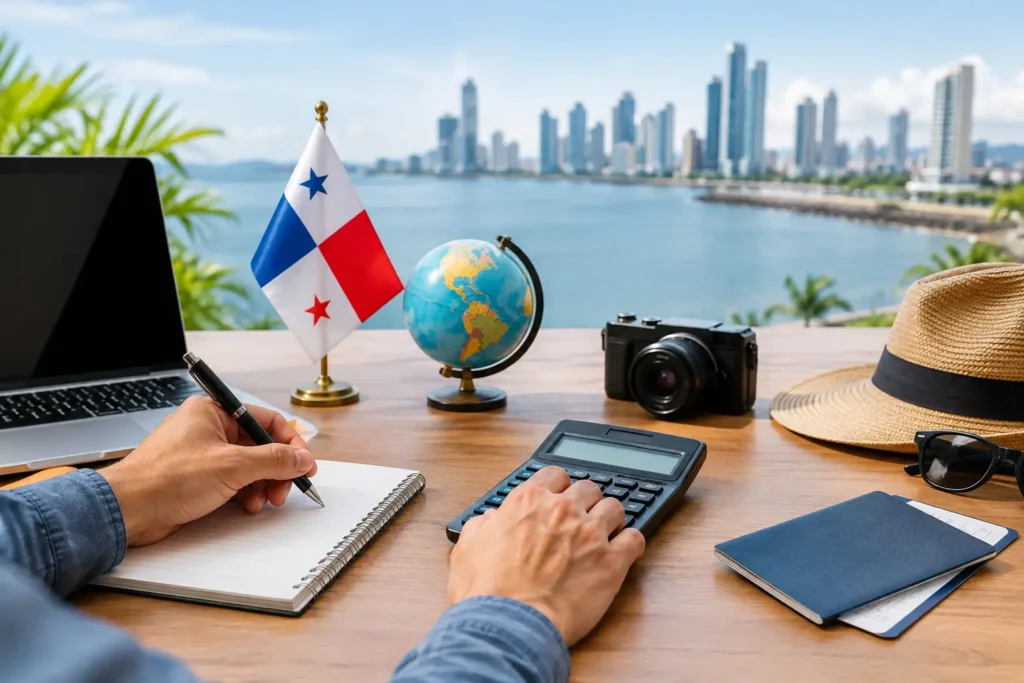
A Panama move can look wonderfully affordable from a distance, until a person compares a beach-town rental with a Panama City condo, or discovers that a familiar US grocery brand costs more than expected. Learning how to prepare a Panama budget means moving beyond one headline number. It means building a plan around the life you actually want to live.
For some couples, Panama offers room to breathe on a retirement income. For others, the savings appear only after they leave a high-cost US city, adjust their housing expectations, or choose a smaller town. The goal is not to find the lowest possible monthly number. It is to create a budget that lets you enjoy your new life without feeling financially cornered.
Start Your Panama Budget With Your Lifestyle
Before pricing apartments or converting dollars to balboas, define the version of Panama you are considering. Panama uses the US dollar in daily transactions, and the balboa is tied one-to-one with the dollar, so there is no currency-conversion puzzle for most American households. The bigger question is where and how you will live.
A couple who wants a modern high-rise in Panama City, regular restaurant meals, a car, private health insurance, and frequent flights to the States will spend very differently from a couple renting in Boquete, Coronado, Las Tablas, or a smaller interior community. Neither choice is wrong. They simply require different planning.
Write down the nonnegotiables first. Maybe you need easy access to a major hospital, walkability, air conditioning, room for visiting family, a pet-friendly home, or reliable high-speed internet for remote work. Then add the comforts that make life feel rewarding: dining out, golf, beach weekends, household help, classes, travel, or a private driver when you do not want to drive.
A realistic budget should protect both categories. Cutting every enjoyable expense may make Panama look cheaper on paper, but it does not tell you whether the move supports the peaceful, fulfilling life you are seeking.
How to Prepare a Panama Budget by Category
Build your estimate in monthly categories, then test it against prices in the specific areas you are seriously considering. Online listings and social media posts can be useful starting points, but they often leave out building fees, furnishings, deposits, location trade-offs, or the fact that a low rent may require a car.
Housing: Your Largest Variable
Housing is usually the line item that changes the entire picture. A furnished one- or two-bedroom rental in a desirable Panama City neighborhood may run roughly $1,200 to $2,500 or more per month, depending on the building, view, amenities, and lease terms. In many interior towns or beach communities, comparable space may cost less, although popular expat areas can still carry premium pricing.
Ask what is included. Some rentals include water, a building maintenance fee, internet, or a parking space. Others do not. Also budget for electricity separately, especially if you use air conditioning frequently. A home that feels like a bargain during a breezy showing can produce a very different utility bill during hotter months.
For a move, plan for upfront housing cash as well. Many renters need a security deposit plus the first month of rent. A short-term furnished rental for your first few weeks or months can cost more per month, but it gives you time to learn neighborhoods before signing a longer lease. That flexibility is often worth paying for.
Utilities, Internet, and Communication
Utilities vary with climate, home size, and personal habits. Water and gas may be modest, while electricity can range from manageable to significant in an air-conditioned city apartment or coastal home. Internet and mobile service are generally accessible in established communities, but service quality and options deserve a real-world check if you work online.
Rather than copying someone else’s utility total, create a range. Use a lower estimate for the months when windows are open and a higher one for periods of heavier air-conditioning use. Include a small amount for streaming services, cell phones, and replacement electronics or adapters.
Food, Dining, and Everyday Purchases
Panama can be very economical when you buy local produce, shop neighborhood markets, and cook at home. Imported foods, specialty diet products, familiar US brands, wine, and premium cuts of meat can quickly narrow the gap with US prices.
A sensible food budget separates groceries from restaurants. Give yourself an honest dining-out allowance at the beginning, when you are exploring your new community and may not have a fully equipped kitchen. Once settled, you can adjust based on your habits rather than someone else’s claim that they live on an unusually low amount.
Health Care and Insurance
Health care is one reason many Americans consider Panama, but it still needs a dedicated budget line. Costs depend on age, preexisting conditions, the hospitals and doctors you prefer, and whether you use private insurance, a local plan, international coverage, or self-pay for routine care.
Budget for premiums, copays, prescriptions, dental care, vision care, and an emergency reserve. If you are not yet eligible for a residency-based public option or are still deciding which private plan fits, do not assume the lowest advertised premium tells the whole story. Ask about coverage limits, exclusions, provider networks, and evacuation coverage if that matters to you.
Transportation: Car or No Car?
Transportation is highly location-dependent. In central Panama City, many residents use ride-share services, taxis, the Metro, and walking, which can make car ownership optional. In the highlands, beach areas, and smaller towns, a vehicle may bring far more freedom – and far more monthly expense.
If you plan to own a car, include financing or purchase costs, registration, insurance, fuel, maintenance, parking, and occasional repairs. Imported parts can make some repairs more expensive than newcomers expect. If you will rely on ride shares, track what you spend during an exploratory visit rather than guessing.
Do Not Forget the Costs of Getting Established
Your monthly budget is only half the plan. A successful relocation also needs a separate landing fund for one-time and irregular expenses. This is where many otherwise careful budgets become strained.
Set aside money for exploratory travel, temporary lodging, immigration and legal guidance, document preparation, shipping or replacing household items, pet travel, deposits, furnishing a home, and initial medical appointments. Residency pathways have their own requirements and professional costs, which can change, so treat any estimate as a planning placeholder until you receive current advice for your situation.
Keep an emergency reserve separate from relocation cash. Ideally, it covers several months of essential living expenses and a quick return trip to the US if family or health needs arise. Retirees should also consider how Social Security, pensions, investment withdrawals, and US tax obligations fit into the plan. Panama’s tax rules and your US filing responsibilities may both affect your larger financial picture, so qualified cross-border tax guidance is a wise part of preparation.
Use Three Versions of Your Budget
One budget number can create false confidence. Instead, make three versions: a comfortable baseline, a fuller lifestyle budget, and a contingency budget.
Your baseline covers housing, groceries, utilities, health care, transportation, and essential communications. Your fuller lifestyle budget adds the experiences that matter to you, such as travel, meals out, hobbies, personal care, visitors, and charitable giving. The contingency version includes higher utilities, an unexpected move, car repairs, medical expenses, or a period when investment income is down.
This approach answers a more useful question than, “Can we survive in Panama?” It asks, “Can we live well here when life is ordinary, and remain steady when it is not?”
Test the Numbers Before You Commit
The most reliable budget research happens on the ground. Spend time in the neighborhoods you are considering at different times of day. Visit supermarkets, pharmacies, clinics, restaurants, and banks. Take the routes you would use for errands. Notice whether the area still feels right when it is raining, busy, hot, or farther from downtown than it looked on a map.
A structured visit can turn vague assumptions into useful numbers. During a relocation tour, keep a simple daily log of what you spend and what you notice: grocery prices, ride-share fares, utility discussions with landlords, and the distance to health care. Go Explore Panama can help prospective residents evaluate these practical details alongside the lifestyle picture, because the right budget is always connected to the right location.
Give yourself permission to revise the plan after your visit. You may find that a slightly higher rent buys the walkability and community you value, or that living outside the city makes room for travel and a larger home. The best Panama budget is not a promise that every month will cost the same. It is a thoughtful financial foundation that lets you arrive curious, prepared, and free to find your peace.