
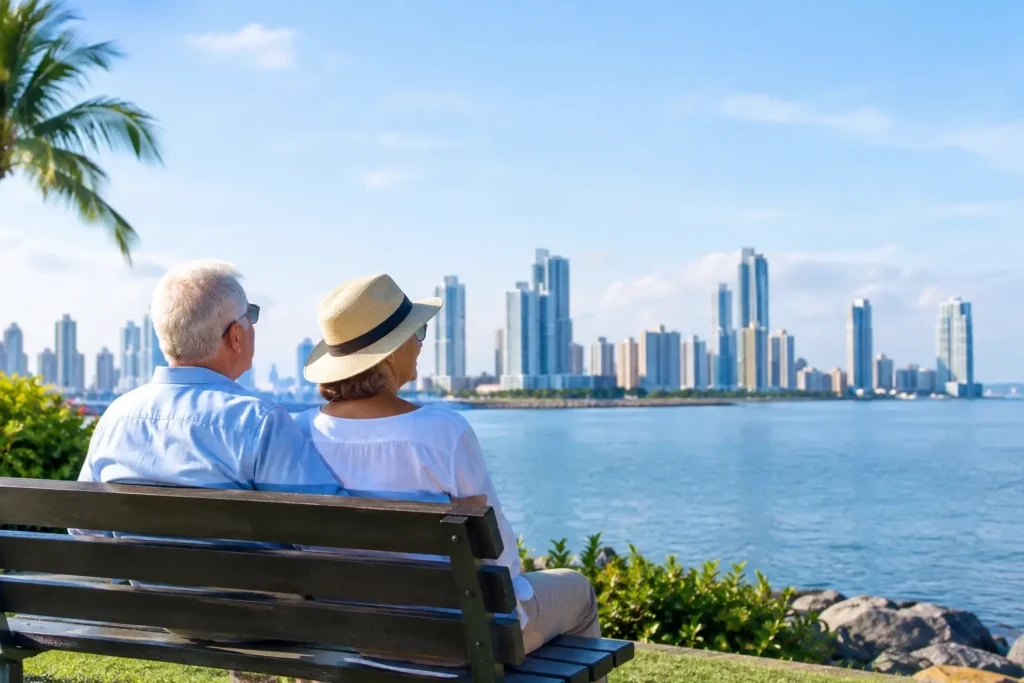
A peaceful morning in Boquete, an oceanfront lunch near Coronado, or a walkable neighborhood in Panama City can make retirement in Panama feel wonderfully possible. But the question behind the dream is a practical one: Is Panama safe for retirees? For many Americans, the answer is yes, provided they choose their location carefully, learn local routines, and approach the move with the same awareness they would use anywhere new.
Panama is not a place where you need to live in fear. It is also not a country where safety looks identical from one neighborhood, beach town, or mountain community to the next. The retirees who settle in comfortably tend to do something simple: they visit first, ask specific questions, and build a lifestyle around the places that genuinely fit them.
Is Panama Safe for Retirees Overall?
Panama is widely viewed as one of the more stable and welcoming retirement destinations in Central America. It has a well-established expat population, modern private healthcare, a dollar-based economy using the U.S. dollar alongside Panama’s balboa, and communities where newcomers can find English-speaking services while they adjust.
Most retirees experience Panama through daily routines that feel familiar: grocery shopping, meeting friends for coffee, visiting a doctor, taking a walk, or enjoying time at the beach. Violent crime is not the everyday experience for most foreign residents, especially in established residential areas. Still, as in the United States, crime exists and varies by area.
Petty theft is the concern retirees are most likely to encounter. An unattended phone, an open handbag, a wallet in a back pocket, or valuables visible in a parked car can create an easy opportunity. In busier parts of Panama City, crowded transit areas, tourist zones, and late-night entertainment districts, situational awareness matters.
The goal is not to become overly cautious. It is to develop the calm, ordinary habits that allow you to enjoy Panama with confidence.
Safety Depends Greatly on Where You Live
Panama offers very different lifestyles in a relatively compact country. A high-rise community in Panama City has different security considerations than a home in the Chiriquí Highlands, a condo near the Pacific coast, or a rural property outside El Valle.
Panama City: Modern Convenience With Big-City Awareness
Panama City appeals to retirees who want hospitals, international restaurants, shopping, cultural events, and easy airport access. Neighborhoods such as Punta Pacifica, San Francisco, Costa del Este, Clayton, and parts of Obarrio are popular with professionals, families, and international residents. Many buildings have controlled entry, lobby staff, security cameras, and active management.
The trade-off is that Panama City is a real capital city with traffic, crowds, and neighborhoods that can change quickly from block to block. Residents should avoid wandering into unfamiliar areas after dark, use reputable transportation, and ask locally before choosing a building or signing a lease. A beautiful apartment does not automatically mean the surrounding streets match your preferred lifestyle.
Mountain, Beach, and Small-Town Communities
Boquete, Volcán, El Valle de Antón, Coronado, Gorgona, and other established retirement areas often feel slower and more neighborly. People know their local shop owners, see familiar faces, and build routines around markets, social groups, and outdoor life. That sense of community can be a meaningful part of feeling secure.
Smaller towns bring different considerations. Some homes are more isolated, roads may be poorly lit, and emergency services can take longer to reach a rural address. During the rainy season, steep roads, flooding, and drainage deserve as much attention as crime. Along the coast, retirees should also respect ocean conditions, use care around rip currents, and avoid leaving belongings unattended while swimming.
A secure home in Panama is not necessarily a gated compound. It is a home selected with practical details in mind: reliable locks, outdoor lighting, neighbors nearby when desired, sensible parking, and an area you have personally explored at different times of day.
Everyday Habits That Make a Difference
Retirees who thrive in Panama usually do not rely on luck. They establish a few common-sense routines and then get on with enjoying their lives.
Keep a low profile with cash, jewelry, and electronics, particularly in crowded settings. Carry only what you need for the day, and use a cross-body bag or secure pocket when exploring. If you drive, keep bags, phones, and documents out of sight rather than on a seat or dashboard.
Transportation deserves thought as well. Taxis and ride-share services are common in urban areas, but it is wise to use services recommended by your hotel, building, restaurant, or trusted local contacts. If you are driving, expect a learning curve. Traffic can be assertive, road conditions can change outside city centers, and nighttime driving on unfamiliar rural roads is best avoided until you know the area well.
Spanish is another quiet safety tool. You do not need fluency before arriving, but learning greetings, directions, numbers, medical terms, and how to ask for help creates more independence. It also makes day-to-day interactions warmer and easier.
Healthcare Adds an Important Layer of Security
For many retirees, feeling safe means knowing good medical care is available when they need it. Panama has respected private hospitals and specialists, especially in Panama City, along with a broad network of clinics and pharmacies across the country. Private care is often more affordable than comparable care in the United States, though costs, insurance coverage, and provider availability vary by location.
If you have ongoing health needs, let healthcare guide your housing search. A retiree managing a heart condition, mobility issue, or complex medication schedule may feel most comfortable within reasonable reach of a major private hospital. Someone who is healthy and active may happily choose a more rural setting, as long as they understand the distance to urgent care.
Before moving, speak with your physician about records, prescriptions, and continuity of care. Bring copies of essential medical information, confirm how your insurance works in Panama, and learn the nearest emergency options from your future home. Panama’s emergency number is 911, but it is still wise to have your building manager, local clinic, and trusted driver saved in your phone.
Protect Yourself From Costly Relocation Mistakes
Physical safety gets attention, but financial and legal safety matter just as much. Retirees can become vulnerable when they rush into a lease, send money before verifying a property, or rely on casual advice for residency and real estate decisions.
Do not wire deposits to someone you have not thoroughly verified. View properties in person whenever possible, clarify who is responsible for repairs and utilities, and make sure the lease terms are understood before signing. For a purchase, use qualified local legal guidance and confirm title, taxes, building rules, and any homeowner association fees.
Be skeptical of anyone who promises a guaranteed visa result, an unrealistically cheap property, or a deal that requires immediate payment. Panama has many honest professionals, but any international move attracts people selling shortcuts. The safest path is usually the least rushed one.
Visit Panama Before You Commit
A scouting visit reveals what online research cannot. Spend time in the neighborhood around a prospective home. Notice the sidewalks, traffic, grocery options, noise level, lighting, and distance to healthcare. Visit in the afternoon as well as the evening. Sit in a café and ask residents what daily life is really like during the rainy season, holiday weekends, or a power outage.
This is also the time to test your own comfort level. Some retirees want the energy and convenience of Panama City. Others find their peace in a cooler mountain town or a quieter coastal community. Neither choice is automatically safer. The right choice is the one that supports your health, budget, mobility, interests, and preferred level of connection.
A structured relocation visit can make this research far more productive. Go Explore Panama’s private relocation tours are designed to help prospective residents see communities, understand practical move considerations, and ask the questions that matter before making a major commitment.
A Confident Retirement Starts With Local Knowledge
Panama can be a safe, rewarding place to retire, but it asks you to be an engaged resident rather than a passive visitor. Choose your community with care, build relationships with neighbors and reliable local professionals, and give yourself time to learn how things work.
The best next step is not to make a decision from afar. Come experience the streets, services, weather, and pace of life for yourself. When you can picture your ordinary Tuesday in Panama – not just your vacation day – you are much closer to knowing whether this is where your next chapter belongs.