
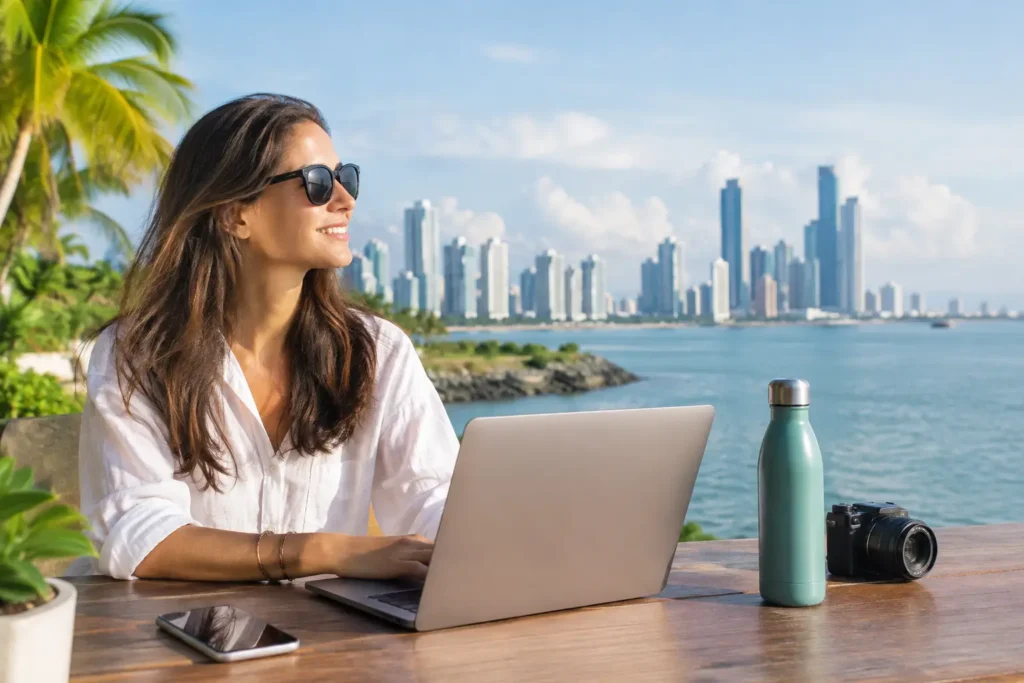
A laptop with a view of the Pacific sounds appealing, but the Panama digital nomad visa is more than a permission slip to work somewhere warm. It is a short-stay immigration option with specific income, employment, and documentation rules. For remote professionals who want to experience Panama before making a permanent move, it can be a practical bridge. For someone planning to retire, buy property, or build a local business, it may be only one piece of a larger plan.
Panama has long attracted Americans looking for a slower pace, modern conveniences, quality private healthcare, and easy access to nature. The country also has a well-established expat community and a time zone that works well for many North American employers and clients. Still, a successful stay begins with matching the right visa to the life you actually intend to live.
What Is the Panama Digital Nomad Visa?
Panama’s remote-worker program is commonly called the digital nomad visa. Its formal name is the Short Stay Visa for Remote Workers. It was created for foreign nationals who work remotely for an employer, business, or clients located outside Panama.
The visa generally allows an eligible remote worker to live in Panama for up to nine months, with the possibility of one extension for an additional nine months. That makes it useful for people who want enough time to test daily life without immediately committing to permanent residency.
The key distinction is where your income comes from. This visa is designed for income earned abroad. It does not authorize you to take a job with a Panamanian company or provide local employment services in the way a Panamanian work permit would. If your plan is to open a locally operating business, accept local clients, or seek a job in Panama, you need individualized legal and immigration guidance before assuming this visa fits.
Who Is a Good Fit for This Visa?
The strongest candidates usually have stable, documented remote income and a clear reason to be in Panama temporarily. Think of a U.S. employee with an approved remote-work arrangement, a consultant with established overseas clients, or an online business owner whose customers and revenue remain outside Panama.
It can be especially valuable for couples who are curious about relocation but do not want to make decisions from a spreadsheet in the United States. Nine months gives you time to experience the rainy season, learn how different neighborhoods feel on an ordinary Tuesday, compare grocery costs, try private healthcare, and decide whether city life, mountain weather, or a beach community suits you best.
It may be less suitable for people who already know they want a long-term home in Panama. The digital nomad visa is not a direct path to permanent residency or citizenship. A retiree with pension income, an investor, or a family planning a permanent move may have a more appropriate residency route available. The right answer depends on income source, family situation, timeline, and future plans.
Panama Digital Nomad Visa Requirements to Expect
Requirements can change, and immigration officials can ask for additional supporting material. Before applying, confirm the current requirements with a qualified Panama immigration professional or the appropriate Panamanian authority. In broad terms, applicants should expect to show several things.
First, you must demonstrate that your work is remote and tied to a foreign employer, foreign business, or clients outside Panama. Employees may need a letter from their employer confirming their position, remote status, and compensation. Independent professionals and business owners may need records that establish their business activity and foreign-sourced income.
Second, applicants must meet the program’s income threshold. The widely cited threshold is at least $36,000 in annual income, or an equivalent monthly amount. Documentation should be consistent, current, and easy for an immigration reviewer to understand. Bank statements, employment letters, contracts, and tax or business records may all play a role depending on your situation.
You should also expect to provide a valid passport, a completed application, photographs, proof of health coverage valid in Panama, and background-related documents. Some records issued in the United States may need authentication and Spanish translation. These administrative details can take longer than applicants expect, particularly when documents must be ordered, certified, or corrected.
If you plan to include a spouse or children, ask early about dependent requirements and the financial evidence needed for your household. Do not treat a family application as a simple add-on. It can affect your paperwork, insurance planning, housing needs, and budget.
The Practical Trade-Offs of Working From Panama
Panama City offers reliable infrastructure, coworking options, international restaurants, private hospitals, and direct flight connections. For many remote workers, it is the easiest place to begin. Neighborhood choice matters, though. A lower rent farther from the business center can become less appealing if traffic turns every appointment into a long commute.
Outside the capital, the experience changes. Boquete appeals to people who prefer cooler temperatures, green landscapes, and a calmer rhythm. Coronado and other beach areas offer a resort-style setting with established expat services. Smaller towns can be deeply rewarding, but they may have fewer English-speaking providers, less housing inventory, and internet reliability that varies by exact location.
Internet should be investigated at the address level, not assumed from a town’s reputation. Ask landlords about the provider, speed, backup options, outages, and whether service is included in the lease. If your work involves video calls, financial deadlines, or client confidentiality, have a contingency plan such as a mobile hotspot, a second connection, or a nearby workspace.
Time zones are another genuine advantage. Panama stays on Eastern Standard Time year-round and does not observe daylight saving time. Depending on the season, that can be convenient for U.S. East Coast teams and still manageable for Central and Mountain time clients. West Coast workers may need to start earlier, especially during part of the year.
Budget Beyond the Visa Application
A digital nomad stay is not automatically a low-cost stay. Panama can be more affordable than many U.S. cities, but lifestyle choices make a meaningful difference. Imported grocery brands, premium high-rise rentals, frequent rideshares, and waterfront dining can quickly raise monthly spending.
Housing is often the largest variable. A furnished short-term apartment in a popular Panama City neighborhood can cost substantially more than a longer lease. Beach and mountain areas have their own seasonal pricing patterns. It is wise to budget for temporary lodging first, then choose a longer-term rental after you have seen the area in person.
Healthcare deserves thoughtful planning as well. Panama has respected private facilities, particularly in Panama City, but visa-appropriate insurance and everyday medical coverage are not always the same thing. Review deductibles, emergency coverage, provider networks, prescription needs, and whether your policy is valid for the full length of your stay.
You will also need to consider U.S. tax obligations. Living abroad for several months does not automatically remove the need to file U.S. taxes, and tax residency questions can become complicated. A cross-border tax professional can help you understand how your work arrangement and length of stay may affect you.
Use the Visa as a Real-Life Test
The best use of a remote-worker stay is not treating Panama like an extended vacation. Use it to learn what your normal life would look like. Shop where residents shop. Visit neighborhoods at different hours. Test a commute. Make a medical or dental appointment. Talk with property managers, expats, and local business owners.
A structured scouting trip before submitting an application can prevent expensive assumptions. At Go Explore Panama, we have seen how much confidence people gain when they experience the country through the lens of daily life rather than a resort itinerary. The goal is not to persuade yourself that every part of Panama is perfect. It is to find the place, pace, and visa strategy that feel right for you.
Before you apply, make sure your remote-work documentation is organized, your income clearly meets the current standard, and your longer-term intentions are honest. Panama may become your next chapter, or it may simply give you a clearer picture of what you want. Either outcome is valuable when you make the decision with your eyes open.