
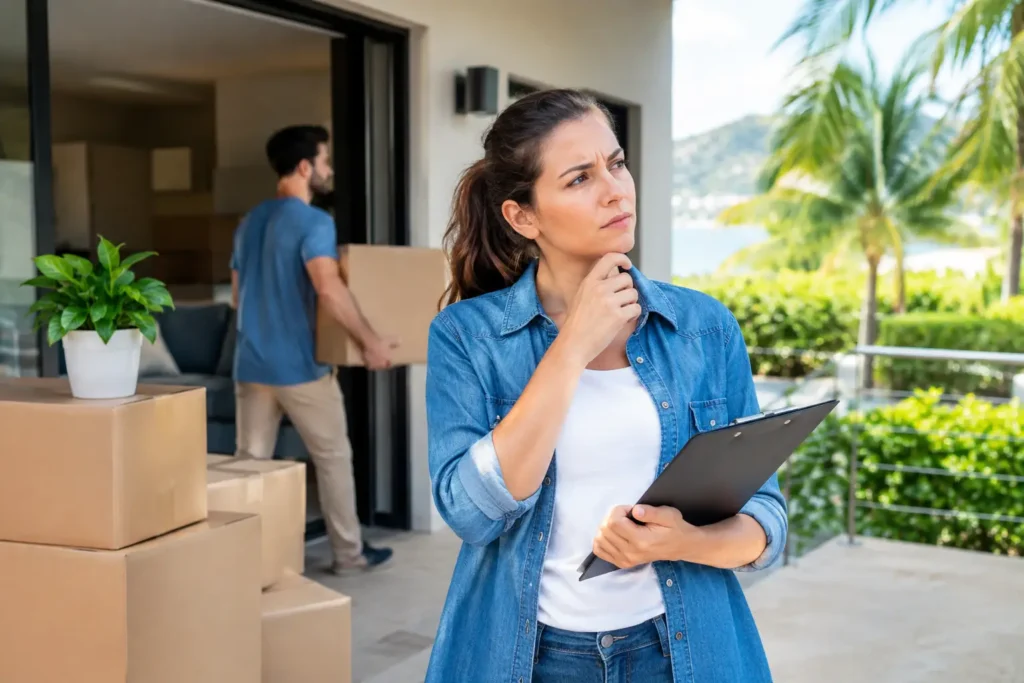
Selling a home, shipping every possession, and arriving with a one-way ticket can feel wonderfully decisive. They can also become expensive Panama moving mistakes when the real life you want in Panama has not yet been tested. A move here can bring more freedom, warmer weather, and a calmer daily rhythm, but it still requires the kind of preparation that lets you enjoy the change rather than spend your first months putting out fires.
Panama is not one experience. Life in Panama City feels very different from life in Boquete, Coronado, El Valle, Pedasi, or a smaller beach community. The people who settle in well are not necessarily the ones with the biggest budget or the most adventurous spirit. They are the ones who make room to learn, visit, ask practical questions, and choose a plan that matches the life they actually want.
1. Treating Panama Like One Big Neighborhood
The most common mistake is choosing a location based on a photo, a social media post, or somebody else’s retirement story. A mountain town may offer cool mornings and a close-knit expat community, but it can also mean rain, winding roads, and fewer big-city conveniences. A beach area can feel like a dream in January, then feel quieter, hotter, or more humid than expected during the rainy season.
Before committing, think beyond the view. How close do you want to be to a major hospital, an international airport, grocery stores, or restaurants? Do you want walkability, a car-free lifestyle, a busy social calendar, or peaceful privacy? Families may prioritize schools and room to spread out. Remote workers may need dependable internet and easy access to airport flights. Retirees may place healthcare at the top of the list.
A private scouting trip gives you a much clearer answer than online research can. Visit at different times of day. Drive the roads yourself. Sit in a local café, shop for groceries, and ask what the area is like in the wet season. The right community is personal, and it is worth taking the time to feel that difference firsthand.
2. Rushing Into a Purchase
Buying property too soon is one of the Panama moving mistakes that can limit your options before you know what you need. A beautiful condo or house may seem like a smart way to plant a flag, especially when prices look favorable compared with the United States. But ownership does not automatically solve the larger question: Will you be happy living there full time?
Renting first gives you valuable breathing room. It lets you learn local traffic patterns, building management standards, utility costs, noise levels, and how close “close to town” really feels. It also helps you discover whether you prefer a furnished apartment in the city, a gated beach community, or a home in the highlands.
If you do decide to purchase, do not rely on verbal assurances or assumptions familiar from home. Work with qualified local professionals, verify title and ownership history, understand homeowners association fees, and ask about water, drainage, road access, and insurance. Real estate can be an excellent part of a Panama lifestyle plan, but it should follow careful due diligence, not replace it.
3. Assuming a Tourist Stay Is a Residency Plan
Panama welcomes visitors, but visiting and becoming a legal resident are different things. Residency pathways have requirements, documentation standards, timelines, costs, and rules that can change. A person may be eligible for one option but not another, and a plan that worked for a friend several years ago may no longer apply in the same way.
Do not build your moving date around casual advice from a Facebook group. Start by understanding the residency route that fits your situation, whether that involves pension income, investment, employment, family ties, or another legal basis. Then gather documents early. Birth certificates, marriage certificates, criminal background checks, financial records, and other paperwork may need to be current, authenticated, and properly translated.
It is also wise to separate immigration advice from real estate sales pressure. No one should make you feel that you must buy a specific property immediately to have a future in Panama. A well-organized relocation plan allows you to make decisions in the right order and with the right professional guidance.
4. Underestimating the Startup Budget
Panama can offer a lower cost of living than many parts of the United States, but lower does not mean free of surprises. The first few months often cost more than newcomers expect. Rental deposits, furnishings, transportation, document fees, residency expenses, pet travel, temporary lodging, and initial utility setup can add up quickly.
Your monthly budget will depend heavily on where and how you live. Panama City has broad access to services, dining, healthcare, and entertainment, along with city-level prices in many neighborhoods. Smaller towns may reduce some expenses but can create other costs, such as maintaining a vehicle or traveling for specialized appointments.
Build a transition fund that is separate from your normal monthly living budget. Give yourself room for a few imperfect choices, because nearly everyone makes them. You may rent in an area that is not quite right, buy a car sooner than expected, or decide that air conditioning is nonnegotiable after all. Flexibility is not wasted money when it helps you make a sustainable decision.
5. Waiting Too Long to Plan Healthcare
Many Americans arrive pleasantly surprised by the availability of private healthcare in Panama. There are respected hospitals, specialists, clinics, labs, and dental providers, particularly in Panama City and other established population centers. Still, healthcare should be planned before a medical need makes the decision urgent.
Learn what is available near the community you are considering, especially if you manage a chronic condition or take prescription medication. Ask about access to specialists, emergency transportation, insurance options, out-of-pocket costs, and how you will handle medical records. Bring enough medication for your transition period, along with copies of prescriptions and a concise health history.
Healthcare is also one reason location matters so much. A quiet rural setting may be ideal for some people, while others will feel more secure within easy reach of a full-service hospital. Neither preference is wrong. The mistake is choosing based only on scenery and addressing practical care later.
6. Bringing the Entire House Before Testing the Move
International shipping can be useful, but it is rarely a decision to make on emotion. People often spend thousands moving furniture, kitchen equipment, and sentimental belongings before they have signed a long-term lease or learned what fits their new home. Then they find that local furniture is easier to buy, their rental is already furnished, or their tastes have changed.
Consider arriving lighter when possible. Bring the items that are difficult to replace, personally meaningful, or essential for work and health. Store, sell, or wait on the rest until you understand your space and lifestyle. This approach can reduce shipping stress and make an early move less financially rigid.
The same principle applies to pets. Panama can be pet-friendly, but travel preparation, import requirements, heat, housing rules, and veterinary access all deserve advance planning. Your pet’s comfort belongs in the relocation plan from day one.
7. Expecting Life to Feel Familiar Right Away
Even a well-planned move includes an adjustment period. Grocery brands are different. Service timelines may feel different. Spanish may be more necessary in daily life than you expected, even in communities with many English speakers. You may miss family, familiar routines, or the ease of knowing exactly how every system works.
The answer is not to expect Panama to operate like the United States. The answer is to arrive curious, patient, and prepared to participate in your new community. Learn practical Spanish, even if it is only enough to greet neighbors, order food, and handle basic errands. Build relationships with local residents as well as fellow expats. Keep a connection to home, but give yourself permission to create new routines.
A relocation tour can make that early learning curve far less intimidating. At Go Explore Panama, we believe seeing neighborhoods, asking direct questions, and experiencing day-to-day Panama before committing helps people move with greater confidence.
Panama may be the place where you find more time, connection, and peace, but there is no prize for rushing there. Come with a clear plan, an open mind, and enough time to let the country show you where you belong.