
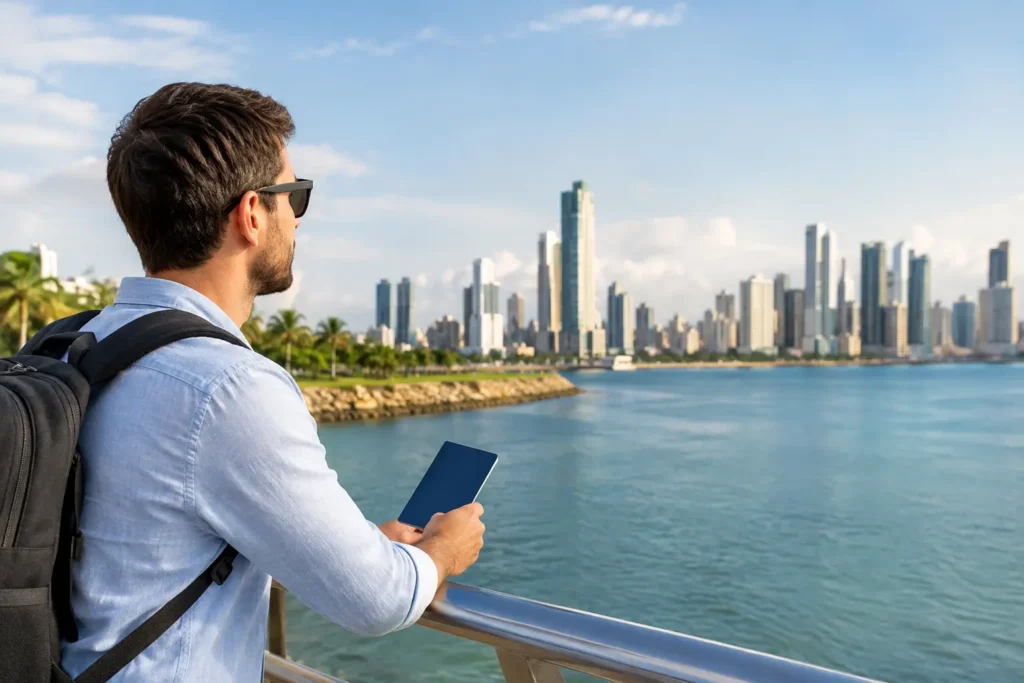
A Panama move often starts with a sunny mental picture: morning coffee on a mountain terrace, a walk along the Cinta Costera, or weekends exploring beaches that are still wonderfully uncrowded. Then comes the practical question that deserves real attention before you sell a home or ship a container: which residency path actually fits your life?
Panama residency requirements are not one standard checklist. The right route depends on your income, investment plans, family situation, work plans, and long-term goals. A retired couple with a reliable pension will approach residency differently from a remote professional, an entrepreneur, or a family purchasing a home. Getting clear on that distinction early can save considerable time, expense, and frustration.
Start with the residency path, not the paperwork
Panama offers several residency categories, and each has its own eligibility rules, document requirements, fees, and timeline. Many applicants arrive assuming that buying property automatically grants residency. It can support certain visa options, but ownership alone is not a universal residence permit.
For many Americans, the most commonly discussed pathways are Pensionado, Friendly Nations, Qualified Investor, and residency based on family ties or employment. There are also options connected to economic solvency, forestry investment, and other specific circumstances. Immigration policies can change, sometimes with limited notice, so treat online information as a starting point rather than a final answer.
A qualified Panamanian immigration attorney should review your personal circumstances before you commit funds, sign a property contract, or collect documents. The best pathway is not always the fastest-sounding one. It is the one you can document clearly and maintain comfortably.
Common Panama residency requirements by pathway
Pensionado residency
Pensionado is often the most attractive option for retirees who receive a lifetime pension from a government program, former employer, military service, or qualifying private source. The basic financial threshold has commonly been a lifetime monthly pension of at least $1,000 for the principal applicant. If a qualifying property is purchased above the applicable investment threshold, a lower monthly pension may be accepted in some cases.
Applicants generally need to show that the pension is permanent and paid for life, not simply a temporary retirement-account withdrawal. Dependents can usually be included, although additional income requirements apply for each dependent.
The appeal goes beyond residency. Pensionado residents may qualify for discounts on certain services and activities, which can be meaningful for full-time retirees. The trade-off is that this category is designed for people living on qualifying pension income. It is not the right fit for everyone, particularly those who need to work locally.
Friendly Nations residency
The Friendly Nations route has been a familiar option for citizens of the United States and other designated countries, but its rules are more structured than they once were. Eligibility generally requires demonstrating an economic or professional connection to Panama, often through employment with a Panamanian company, ownership of a Panamanian company, or a qualifying real-estate investment or bank deposit.
This pathway can be a good match for entrepreneurs, investors, and people establishing genuine ties to Panama. It is less appropriate for someone who simply wants a temporary legal foothold without an ongoing economic basis. The qualifying investment amount, the type of employment allowed, and the documentation expected should be confirmed with a local attorney before applying.
A company is not a magic answer by itself. Forming one involves costs, compliance obligations, and a legitimate business purpose. For some clients, it makes sense. For others, Pensionado or another category is simpler and better aligned with how they plan to live.
Qualified Investor residency
Qualified Investor residency is typically considered by people making a substantial approved investment in Panama. Common qualifying categories include real estate, securities, or a fixed-term bank deposit, subject to minimum investment levels and specific conditions.
This route may offer a more direct timeline than other categories, but it requires significant capital and careful due diligence. A beautiful condo is not automatically a wise investment, and an immigration decision should never be the only reason to buy property. Consider location, title, resale potential, homeowner association fees, construction quality, and whether you would be happy living there if the market changes.
Family, employment, and other options
Marriage to a Panamanian citizen, having a Panamanian child, or being hired by an eligible Panamanian employer may create additional residency possibilities. These cases are highly personal and document-heavy. They should be evaluated individually rather than through broad internet advice.
Employment is especially nuanced. Residency does not automatically equal permission to work. Panama has separate labor, work-permit, and professional licensing rules, and some occupations have restrictions for non-citizens. Remote work for an overseas business presents its own questions, so do not assume that a tourist stay, residency card, or foreign payroll settles every legal issue.
Documents you will likely need
Although details vary by visa category, most applicants should expect to prepare a core set of documents from their home country. These commonly include a valid passport, a federal criminal background check, proof of financial eligibility, birth certificates for dependents, and marriage certificates when applicable.
Documents issued outside Panama usually need an apostille or other authentication, along with a certified Spanish translation for use in the immigration process. Timing matters. Background checks and other records may have limited validity windows, so collecting everything too early can create the annoying and expensive task of ordering it again.
Bring more than one certified copy when practical, especially for vital records. Keep digital scans organized in a secure folder, but remember that immigration authorities may require originals, apostilled copies, or specific formats. A clear document plan is one of the least glamorous parts of relocating, yet it is often what keeps a residency application moving.
Panama residency requirements also include a realistic budget
Government fees and legal fees are only part of the cost. Your budget should also allow for apostilles, translations, document shipping, health insurance, temporary housing, transportation, and multiple visits if your case requires them. If your pathway is investment-based, factor in closing costs, corporate expenses, bank requirements, and the possibility that funds must remain committed for a stated period.
The lower cost of living in many parts of Panama can be a real advantage, but it is not identical everywhere. Panama City, Coronado, Boquete, Pedasí, and beach communities each offer a different mix of housing costs, weather, healthcare access, walkability, and expat presence. A residency category may be nationwide, but your day-to-day quality of life will be very local.
That is why a scouting trip is more valuable than a quick vacation. Spend time in the neighborhoods you are considering. Visit grocery stores and clinics. Drive the routes you would use in the rainy season. Ask whether the area still feels right on an ordinary Tuesday, not only on a perfect beach day.
Apply with a plan for the transition period
Many residency processes begin with an in-country filing and may provide temporary documentation while the application is under review. Requirements around physical presence, travel, renewals, and eventual permanent status differ by category. Your attorney can explain how travel outside Panama may affect your case and what dates you need to track.
It also helps to separate immigration residency from tax residency, banking access, healthcare enrollment, and property ownership. They overlap in practical ways, but they are not the same thing. A residency approval does not automatically establish tax obligations in every circumstance, guarantee a bank account, or replace the need for health coverage.
For couples, decide whether both partners should qualify independently or whether one will be a dependent. A dependent application may be perfectly sensible, but an independent path can provide more flexibility if circumstances change. This is one of those decisions that is easy to overlook when everything is going well and much harder to revisit later.
Give yourself room to choose well
The strongest residency application begins before the paperwork. It begins with an honest look at your income, your preferred pace of life, your healthcare needs, and what you want Panama to feel like five years from now.
At Go Explore Panama, we have seen how much calmer the process becomes when people evaluate communities and residency options side by side. Panama may be the peaceful next chapter you have been looking for, but it is worth meeting the country on its own terms before making it home.