
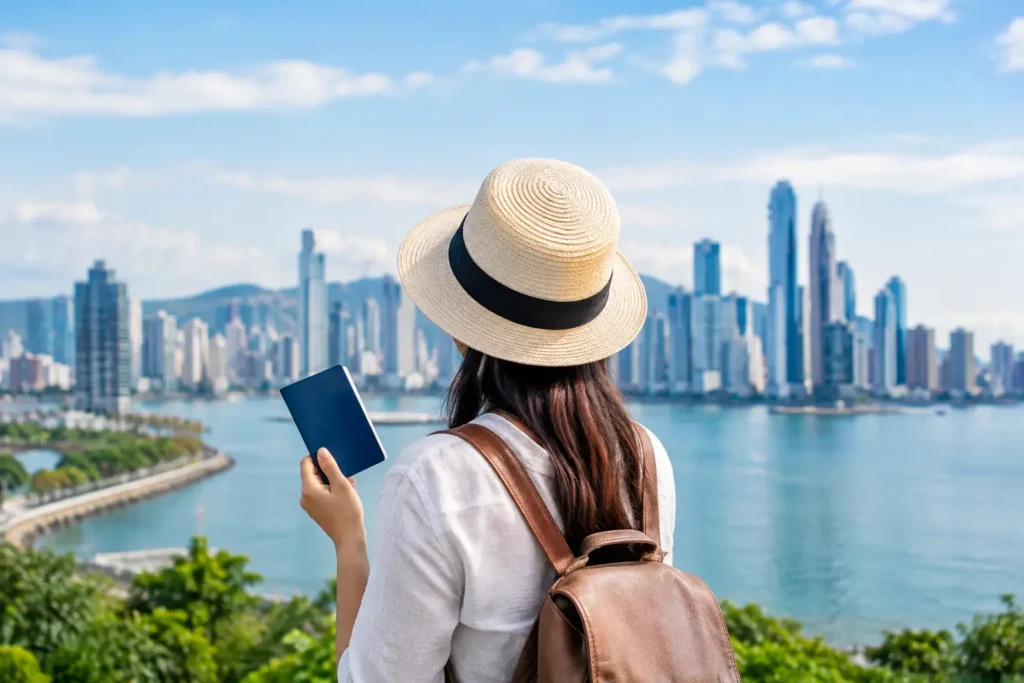
A Panama entry stamp can make a scouting trip feel wonderfully simple: arrive, settle into a hotel or rental, tour neighborhoods, and picture morning coffee with tropical views. But Panama residency versus tourist status becomes very real once you want to sign a longer lease, establish daily routines, bring family members, or make Panama your actual home.
For Americans considering retirement, a remote-work lifestyle, or a fresh start abroad, the difference is not just paperwork. It shapes how confidently you can plan your time, housing, finances, and future. A tourist visit is designed for temporary travel. Residency is a formal immigration relationship with Panama that can support a longer-term life here.
Panama Residency Versus Tourist Status: The Core Difference
Tourist status gives a visitor permission to enter Panama for a limited stay. The precise length of time depends on your nationality, passport, entry conditions, and the authorization granted at the border. Never assume that a rule you read online applies to your individual entry. Check the stamp or documentation you receive and confirm current requirements before making plans around a particular departure date.
Residency, by contrast, is obtained through an immigration process and an approved residency category. Depending on the pathway, you may receive temporary residency first and later qualify for permanent residency. Panama offers several routes that may fit retirees, investors, professionals, people with Panamanian family connections, and others who meet specific eligibility requirements.
The practical distinction is permanence and purpose. A tourist is visiting Panama. A resident is building a lawful, ongoing life here.
That does not mean residency is automatically the right first step for everyone. Many people wisely begin as tourists while they explore areas such as Panama City, Coronado, Boquete, El Valle, Pedasí, or the Caribbean coast. The key is to treat that visit as research, not as a substitute for a residency plan.
What You Can Realistically Do as a Tourist
Tourist status is ideal for getting an honest feel for Panama before making a commitment. You can stay in hotels or short-term rentals, take private tours, visit medical facilities, meet real estate professionals, compare grocery prices, and experience how a neighborhood feels in the heat, rain, traffic, and ordinary weekday routine.
You may also be able to rent a home as a tourist, especially for a shorter term. Still, landlords, banks, utilities, and property managers may ask for documents that are easier to provide once you have local residency and identification. A lease is not the same thing as immigration permission. Signing one does not extend your authorized stay.
Tourist status also has clear limits. It is not a work permit, and it should not be treated as permission to conduct local employment or operate a Panamanian business without understanding the applicable rules. Remote work can raise its own questions depending on your situation, clients, income source, and visa category. Before relying on any income arrangement, get current guidance from a qualified Panamanian immigration and tax professional.
A tourist also has to keep watching the calendar. Planning repeated exits and reentries simply to remain in Panama can become stressful, costly, and unpredictable. Immigration authorities decide entry at the border, and frequent travel patterns may draw questions about whether someone is truly visiting or effectively living in the country without residency.
What Residency Can Change for Your Daily Life
Approved residency creates a more stable foundation. It may allow you to remain in Panama beyond a tourist stay, apply for local identification connected to your residency status when eligible, and handle more parts of life with less uncertainty.
For many newcomers, the biggest benefit is peace of mind. You can focus on furnishing your home, building friendships, learning the rhythm of your community, and organizing healthcare rather than wondering whether an upcoming flight is necessary to protect your immigration status.
Residency can also make certain administrative tasks more practical. Opening financial accounts, arranging services, obtaining a local driver’s license, registering a vehicle, and dealing with contracts may be easier with the proper resident documentation. Easier does not mean automatic. Each institution has its own requirements, and banks in particular can request extensive source-of-funds documentation.
It is equally important to understand what residency does not do. Residency is not citizenship. It does not automatically create tax residency, grant voting rights, guarantee employment authorization, or eliminate the need to follow Panamanian laws and filing requirements. Those are separate questions that deserve separate advice.
Temporary and Permanent Residency Are Not the Same
Some residency pathways involve an initial temporary phase. During that period, you may have a card or documentation that shows your application or temporary status, followed by another step toward permanent residency if you continue to qualify.
The timeline, required documents, government fees, and renewal procedures vary by category. A person applying through a retiree-focused option may face a very different process from someone applying through investment, employment, or family ties. This is why a one-size-fits-all answer often causes more confusion than clarity.
Choosing the Right Order: Visit First or Apply First?
For most prospective residents, visiting first is the smarter order. Panama can look perfect on a screen, yet daily compatibility is personal. You may love the mountain air of Boquete but miss city conveniences. You may be drawn to beach living but decide humidity, seasonal rain, or distance from major medical care is not your best fit.
A purposeful relocation visit lets you test the questions that matter: Can you see yourself driving here? Does the grocery selection work for your household? How close do you want to be to a hospital? Are you comfortable with the local pace, language, and infrastructure? What does housing actually cost in the neighborhoods you prefer?
Once you know Panama is a fit, you can begin evaluating residency options with a clearer picture of your intended lifestyle. That sequence can prevent expensive decisions made from vacation excitement alone.
For people who already know they are moving, it may make sense to begin document preparation before arrival. Birth certificates, marriage certificates, police records, bank letters, pension documents, and other records may need authentication, translation, or time-sensitive handling. Waiting until the last minute can delay an otherwise smooth plan.
The Financial and Family Questions to Ask Early
Residency decisions work best when they are connected to a broader plan. Consider your reliable income, savings, health insurance, housing budget, and whether your spouse or dependents will be included in the application. If one partner qualifies for a particular residency category, the other may be able to apply as a dependent, but requirements and supporting evidence matter.
Healthcare deserves attention early as well. Panama offers private hospitals, specialists, pharmacies, and insurance options that appeal to many North Americans. Yet coverage, preexisting-condition rules, provider networks, and costs differ from the United States. Do not wait until after a residency application to understand how you will access care.
Taxes are another area where assumptions can be costly. Your immigration status, the source of your income, the number of days you spend in Panama, and your continuing U.S. obligations can all affect the conversation. Americans generally remain subject to U.S. tax filing requirements even while living abroad. A cross-border tax professional can help you plan before your move rather than untangle surprises later.
Avoid These Common Missteps
The most common mistake is confusing a successful vacation with a relocation decision. A second is choosing a residency category because a friend used it years ago. Rules, fees, interpretation, and personal circumstances can change.
Another frequent problem is arriving with incomplete documents. Immigration applications often depend on paperwork that takes time to obtain correctly in your home country. Rushing can lead to repeated appointments, added expense, or delays that interfere with travel and housing plans.
Finally, do not make residency the only item on your checklist. A good move plan also addresses where you will live during the application process, how you will manage money, whether you need a vehicle, what to bring, how to keep important records secure, and how you will build a support network once the excitement of arrival settles into everyday life.
Let Your Visit Answer the Bigger Question
The best use of tourist status is not to postpone a decision indefinitely. It is to give yourself room to evaluate Panama with open eyes. Stay long enough to see more than the postcard version. Visit neighborhoods at different times of day, talk to residents, test your budget, and notice how you feel when the day is ordinary.
At Go Explore Panama, we have seen that the strongest relocation choices come from people who combine that sense of discovery with practical preparation. Panama may offer the peaceful, fulfilling life you have been looking for, but the right path begins with knowing whether you are visiting for a season or preparing to belong here.