
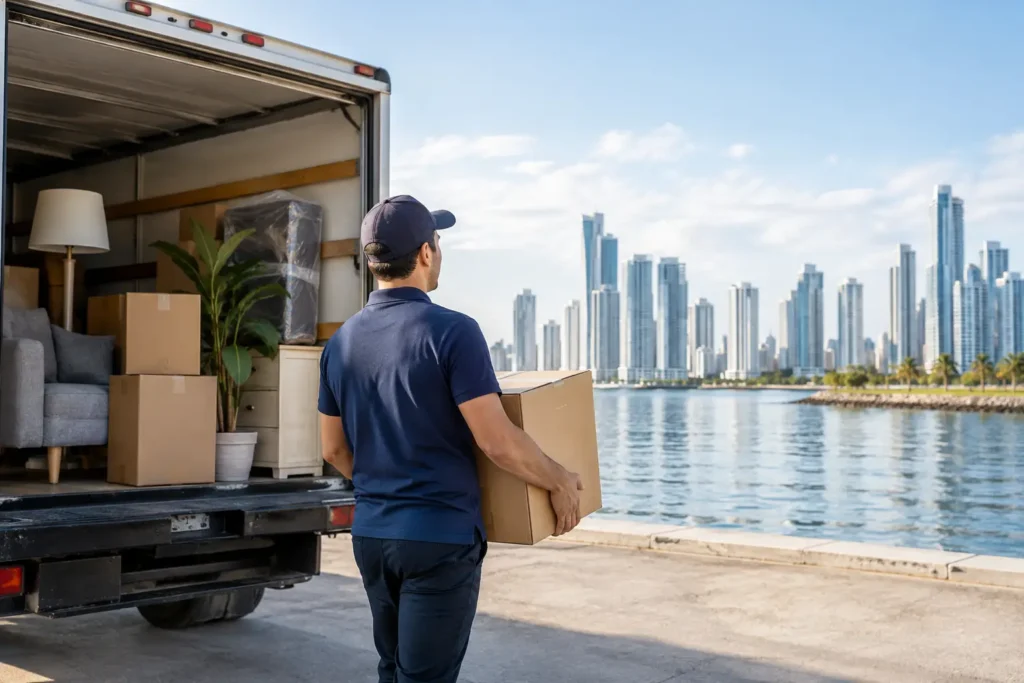
A container full of familiar belongings can make a new house in Panama feel like home quickly. It can also become one of the most expensive parts of your move if you ship household goods to Panama before you know where you will live, what will fit, and what customs paperwork requires. The best shipment is not necessarily the biggest one. It is the one that supports the life you actually plan to build here.
For many Americans, the first instinct is to pack up an entire home. That makes sense emotionally, especially after years of collecting furniture, kitchen tools, family keepsakes, and the things that make everyday life comfortable. But Panama is a different climate, a different electrical environment, and often a different style of living. A little planning before the container is booked can save money, delay, and frustration.
Start With the Life You Plan to Live
Before requesting shipping quotes, get clear on your likely location and housing arrangement. A large sectional, oversized dining set, or heavy bedroom furniture may be perfect in a spacious U.S. home but impractical in a Panama City condo, a mountain rental in Boquete, or a beach-area home with narrow access roads.
If you have not yet spent meaningful time in Panama, consider renting first. That gives you a chance to understand neighborhood layouts, storage space, humidity, driving distances, and the furnishings available locally. It also helps you avoid paying to ship items that do not suit the home you eventually choose.
Ask yourself a practical question: would I buy this item again if I were already living in Panama? If the answer is no, selling or donating it before the move may be the better decision. Sentimental pieces, quality furniture that fits your plan, specialty work equipment, and items that are expensive to replace are usually stronger candidates for shipping.
What Is Worth Shipping to Panama?
The right answer depends on the size of your shipment, your budget, and whether you are moving permanently or testing the waters. In general, well-made personal belongings can be worth bringing when replacement costs would be high or when the item has real personal value.
Good candidates often include personal documents, artwork, books in moderation, favorite kitchen items, quality linens, office equipment, musical instruments, and furniture that has a clear place in your future home. Electronics can make sense too, but only after checking voltage requirements, warranty coverage, and local service options.
Panama commonly uses 110-120 volt electricity and U.S.-style plugs, which makes many American appliances compatible. Still, compatibility is not the whole story. Large appliances are bulky, can be costly to transport, and may not fit a rental or a home you have not purchased yet. Refrigerators, washers, dryers, and ranges are often better bought after you know the measurements, hookups, and delivery access at your Panama home.
Be especially selective with upholstered furniture, particleboard pieces, and anything that will struggle with moisture. Panama’s tropical climate can be hard on materials that were never designed for humidity. Good climate control, dehumidifiers, and proper ventilation matter, but they cannot turn a poorly suited item into a long-term investment.
Choose the Right Way to Ship Household Goods to Panama
Most full household moves travel by ocean freight, either in a dedicated container or as a shared shipment. A full container gives you more control over timing and space. It may make sense for a larger home, a confirmed residence, or a move with substantial furniture. Shared-container shipping, often called less-than-container-load service, can be more economical for smaller moves, although it may involve more handling and less predictable timing.
Air freight is generally best reserved for urgent or high-value essentials. It is useful for documents, a few personal items, or gear you need shortly after arrival, but it is rarely the cost-effective choice for furnishing a home.
When comparing quotes, look beyond the headline price. Ask whether the estimate includes pickup, professional packing, export documentation, ocean freight, port charges, customs brokerage, storage if needed, and delivery to your final address. A lower quote can become far more expensive if destination charges were excluded or if the shipment sits at the port while paperwork is sorted out.
You should also ask how the company handles communication once the shipment reaches Panama. The move does not end when the container leaves the United States. You need to know who will contact you, what original documents are required, and how delivery will be scheduled after customs clearance.
Customs Paperwork Deserves Your Full Attention
Household goods are personal property, but that does not mean paperwork is casual. Panama’s customs process can involve a detailed inventory, a passport copy, residency-related documentation, shipping documents, and other records depending on your status and the nature of the shipment.
Rules, exemptions, and taxes can change, and eligibility may depend on whether you are entering under a qualifying residency pathway, whether items are genuinely used, and when they arrive relative to your move. Do not rely on a shipping company’s verbal assurance alone. Confirm current requirements with a qualified Panama customs broker and, when appropriate, your immigration or legal adviser.
Your inventory should be specific enough to make sense to an officer. “Twenty boxes of household items” is not helpful. A numbered list describing contents, approximate values, and whether items are used will make the process easier. Keep copies of purchase records for newer, higher-value items, especially electronics, tools, or specialized equipment.
Avoid packing prohibited, restricted, or questionable items. Firearms, ammunition, certain medications, hazardous materials, and agricultural products can create serious complications. Even ordinary items such as cleaning chemicals, paint, batteries, or aerosols may be unsuitable for ocean freight. Ask your shipper for its restricted-items list before packing begins.
Pack for a Tropical Arrival, Not Just an Ocean Crossing
Professional packing can be worthwhile for a large international shipment because it helps with insurance claims and reduces breakage. Whether you pack yourself or use a crew, protect against both impact and humidity. Use quality cartons, moisture-resistant wrapping where appropriate, and clear labels that match your inventory.
Do not use the container as a place to send everything you did not want to sort. Customs inspections are easier when boxes are organized logically, and delivery is much less stressful when you know what is inside each one. Number every box and keep a digital copy of the inventory with you, not inside the shipment.
For wood furniture and artwork, ask about proper wrapping and any treatment requirements. For clothing, books, and fabric items, clean and dry everything thoroughly before packing. Mold and mildew are unwelcome travel companions, and a sealed container can intensify a small moisture problem over a long journey.
It is also wise to carry an “arrival suitcase” with you. Include medicines, important documents, several weeks of clothing, chargers, basic toiletries, and any items you would hate to be without if your shipment is delayed. International freight schedules are estimates, not promises.
Budget for More Than Ocean Freight
Shipping costs vary widely based on departure city, shipment volume, fuel rates, season, destination services, and the accessibility of your Panama address. A home in a major urban area may be simpler to serve than a property on a mountain road or a beach community with limited truck access.
Build a cushion into your moving budget for packing, insurance, customs brokerage, port handling, taxes or duties if applicable, and final delivery. Storage can become an extra expense if your home is not ready when the goods arrive. This is one reason a confirmed lease, a realistic closing timeline, and a local delivery plan are so valuable before shipping day.
Insurance is another area where details matter. Basic carrier coverage may be limited and may not reflect replacement value. Read the policy carefully, understand the claims process, and photograph valuable items before they are packed. If an item is irreplaceable, consider carrying it with you or leaving it safely stored rather than putting it on a container.
Give Yourself Permission to Move in Stages
A staged move is often the most comfortable choice. Bring suitcases and a few essentials for your first stay, rent a furnished place, and ship the larger household load once you have chosen your area and understand your housing needs. This approach is not right for everyone, particularly if you have already secured a home, but it can reduce the pressure to make expensive decisions from thousands of miles away.
At Go Explore Panama, we have seen that the smoothest relocations begin with firsthand information, not just online research. A visit focused on neighborhoods, daily routines, housing options, and practical services can help you decide what deserves a place in your Panama home.
Your belongings should support the freedom you came here to find. Bring the pieces that carry comfort, function, and meaning, then leave room for the new home, new routines, and unexpected treasures that Panama will add to your life.